Introduction: Why it’s important to check your motorhome before using it.

It is crucial to check your motorhome before using it for several reasons:
Safety: Checking your motorhome before using it ensures that it is safe to operate. A thorough inspection can identify any issues or defects that could cause accidents or breakdowns on the road.
Reliability: By checking your motorhome before using it, you can identify any potential issues that could cause a breakdown or mechanical failure. This allows you to address these issues before hitting the road, ensuring that your motorhome is reliable and won’t leave you stranded on the side of the road.
Cost: Addressing any issues before they become bigger problems can save you money in the long run. If you catch a small issue early, it may only require a simple and inexpensive repair, but if left unaddressed, it could turn into a major and costly repair.
Legal compliance: Some motorhome safety components are required by law, such as functioning lights and brakes. Checking your motorhome before use ensures that these components are working properly, which keeps you legally compliant and prevents any potential fines or penalties.
Overall, regular checks and maintenance of your motorhome not only ensure that it is safe to use, but also prolongs its lifespan, increases reliability, and saves you money in the long run.
Start with a Visual Inspection of The Vehicle Exterior.
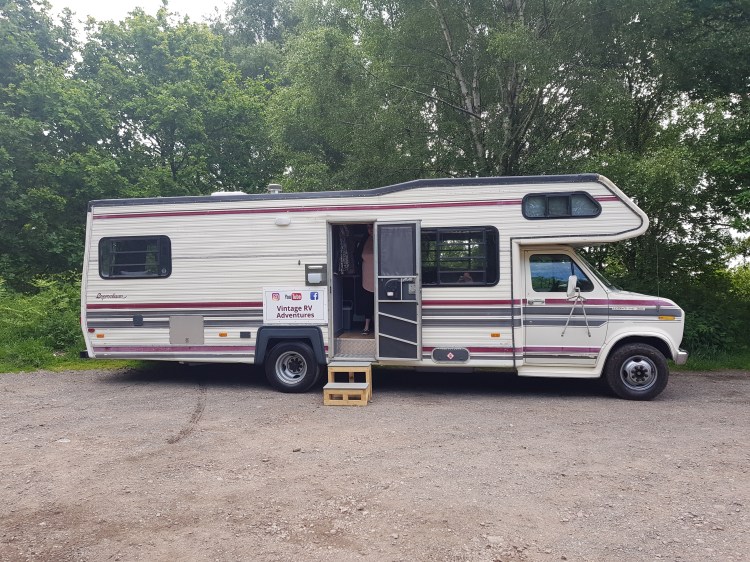
During a visual inspection of the vehicle’s exterior, it is important to look for any damage, wear and tear, or other issues that may need attention. Here are some specific checks to carry out:
Body and Exterior: Inspect the body for any damage or signs of rust, dents, or scratches. Check the seals around windows, doors, and vents for any gaps or signs of wear. Look for any cracks or chips in the windshield or other windows.
Tyres: Inspect the tyres for any signs of wear and tear, such as cracking or bulges, and ensure that the tread depth is sufficient. Check the tyre pressure and make sure it matches the recommended pressure in the owner’s manual.
Lights: Check all lights, including headlights, taillights, brake lights, turn signals, and hazard lights, to ensure they are all functioning properly.
Mirrors: Check the mirrors for any damage or cracks, and make sure they are adjusted properly for optimal visibility.
Awning: If your motorhome has an awning, inspect it for any damage, such as tears or rips, and make sure it extends and retracts properly.
Roof: Inspect the roof for any signs of damage or wear, such as cracks, tears, or holes. Check the seals around any roof-mounted vents, antennas, or air conditioners for signs of wear or damage.
Doors and Windows: Inspect all doors and windows for any damage, and make sure they open and close properly. Look for any gaps or leaks in the seals around the doors and windows.
By carrying out a thorough visual inspection of your motorhome’s exterior, you can identify any issues that need attention before hitting the road, ensuring that your vehicle is safe, reliable, and in good condition for your travels.
Check Your Tyres: Inspect for proper inflation, tread wear, and signs of damage.

When inspecting the tyres of your motorhome, it is important to check for proper inflation, tread wear, and signs of damage. Here are some specific checks to carry out:
Inflation: Check the tyre pressure using a tyre gauge, and make sure it matches the recommended pressure in the owner’s manual. Underinflated tyres can lead to poor handling and excessive wear, while overinflated tyres can reduce traction and increase the risk of a blowout.
Tread Wear: Inspect the tread of the tyres for any signs of wear. The easiest way to check for proper tread depth is to use a tyre depth gauge to measure the depth of the tread.
Signs of Damage: Check the tyres for any signs of damage, such as cuts, punctures, bulges, or cracks. These can lead to a blowout, which can be dangerous while driving. If you notice any damage, the tyre should be replaced.
Age: Even if the tyre tread and inflation seem fine, it is important to check the age of the tyres. Tyres can deteriorate over time, even if they have not been used much. If the tyres are over seven years old, it is recommended to have them replaced, even if they seem to be in good condition.
Check Your Brakes: Testing the braking system for proper function and wear.
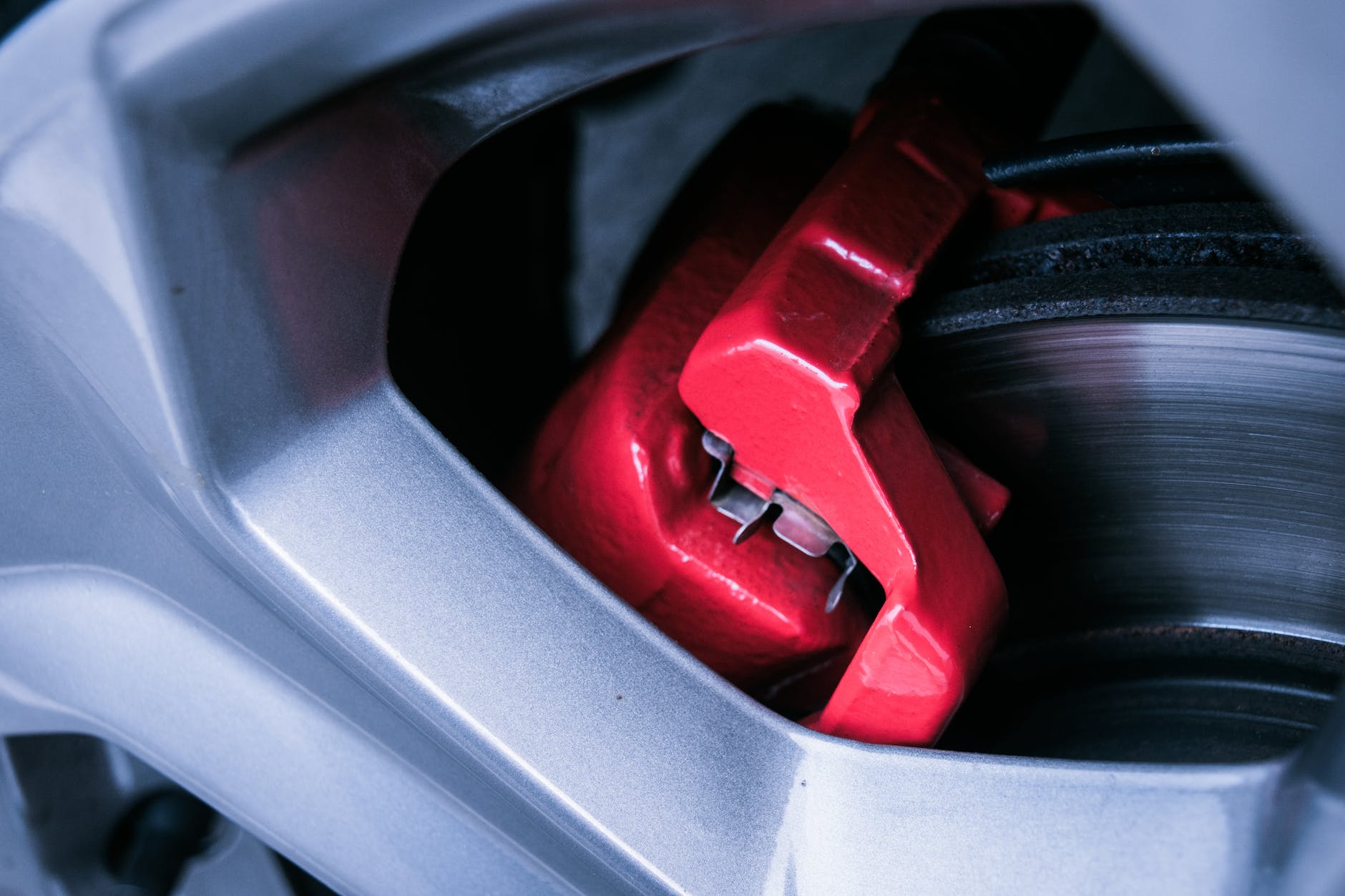
The braking system is one of the most critical safety components of a motorhome. It is important to test the braking system for proper function and wear before using your motorhome. Here are some specific checks to carry out:
Brake Pedal: Press the brake pedal and make sure it feels firm and does not sink to the floor. If the pedal feels spongy or sinks to the floor, there may be air in the brake lines, or the brake pads and shoes may be worn out.
Brake Fluid: Check the brake fluid level and ensure it is at the recommended level. If the level is low, it may indicate a leak in the brake system, and the system should be inspected by a professional.
Brake Pads and Shoes: Inspect the brake pads and shoes for wear. If they are worn down, they will need to be replaced before using the motorhome. Some brake pads and shoes have a wear indicator that will make a screeching noise when they need to be replaced.
Discs and Drums: Inspect the discs and drums for any signs of wear or damage, such as scoring or warping. If there is damage, they may need to be resurfaced or replaced.
Brake Pipes and Hoses: Inspect the brake pipes and hoses for any signs of wear or damage, such as cracks or leaks. If there is any damage, they should be replaced immediately.
Handbrake: Test the handbrake to make sure it is functioning properly. The handbrake brake should hold the vehicle in place when engaged.
Check Your Lights: Ensuring all lights are working properly.

Proper functioning of all lights on a motorhome is essential for safe driving, especially during night-time driving, and also for maintaining the road legality of the vehicle. Here are some specific checks to ensure all lights are working properly:
Headlights: Turn on the headlights and make sure both high and low beams are working. Check that the headlights are aimed properly and that the lenses are clean and free of cracks or damage.
Side Lights: Turn on the side lights and make sure they are working. Check that the lenses are clean and free of cracks or damage.
Brake Lights: Press the brake pedal and check that the brake lights come on. If the brake lights are not working, it may indicate a problem with the brake light switch or wiring.
Indicators: Test the indicators and hazard lights to make sure they are functioning properly. Check that the lenses are clean and free of cracks or damage.
Reverse Lights: Put the gear lever into reverse and check that the reverse lights come on. If the reverse lights are not working, it may indicate a problem with the switch or wiring.
Registration Plate Lights: Check that the registration plate lights are working properly. If they are not working, they may need to be replaced or the wiring checked.
Interior Lights: Check all interior lights, such as the door light, map lights, and dash lights, to make sure they are working properly.
Check Your Battery: Testing the battery and charging system.

The vehicle battery is an important component of a motorhome, as it powers the vehicle’s electrical systems and accessories. Here are some specific checks you can carry out to test the vehicle battery:
Visual Inspection: Inspect the battery for any signs of damage, such as cracks or leaks. If there is damage, the battery may need to be replaced.
Voltage Test: Use a voltmeter to check the voltage of the battery. A fully charged battery should have a voltage of around 12.6 volts. If the voltage is lower than this, the battery may need to be charged or replaced.
Load Test: Perform a load test to check the battery’s ability to hold a charge under a heavy load. This test involves connecting a load tester to the battery and applying a load for a specific amount of time. If the battery cannot hold a charge under the load, it may need to be replaced.
Battery Terminals: Check the battery terminals for corrosion or damage. If there is corrosion, it can be removed using a wire brush and a solution of baking soda and water. If the terminals are damaged, they may need to be replaced.
Battery Cables: Check the battery cables for any signs of wear or damage, such as fraying or cracks. If there is any damage, the cables may need to be replaced.
Check Your Water and Gas Systems: Inspect for leaks or damage, and ensure proper function.
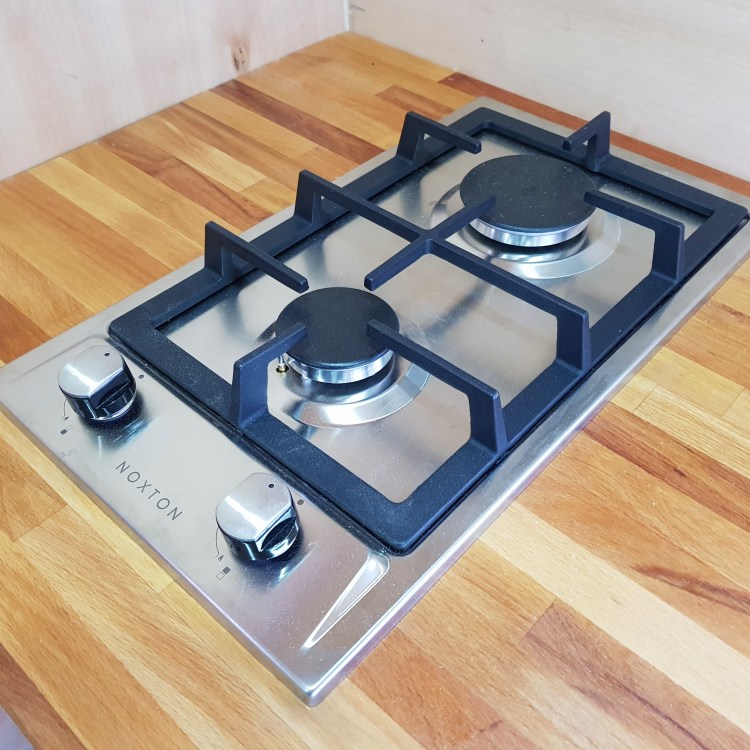
The water and gas systems in a motorhome are important components for ensuring a comfortable and functional living environment. Here are some specific checks you should carry out to ensure the proper function of these systems:
Water System: Inspect the water system for leaks or damage, including the water tank, pipes, and taps. Check that the water pump is functioning properly and ensure that the water pressure is adequate. Run water through each faucet to ensure that there are no obstructions or other problems with the water flow.
Gas System: The gas system in a motorhome includes gas appliances, piping, and a regulator. It is important to have the gas system checked by a GasSafe registered engineer annually before using the motorhome. The engineer will inspect the gas system for leaks, damage, and proper function, including checking the pressure of the gas and making sure all connections are secure.
Gas Appliances: A GasSafe registered engineer will check each appliance annually to make sure that it is working properly, and inspect each appliance for any signs of damage. Make sure that the stove, oven, and water heater are lit and functioning properly.
Carbon Monoxide Detector: Make sure that the carbon monoxide detector is working properly and has fresh batteries. The detector should be located near the sleeping area of the motorhome.
Fire extinguishers: Inspect the fire extinguisher: Check the fire extinguisher for any signs of damage. If the fire extinguisher shows any of these signs, it should be replaced. Check the pressure gauge, to ensure that it shows the extinguisher is charged and ready to use.
 Vintage RV Adventures