
The UK government has set an ambitious goal to reach net-zero carbon emissions by 2050, with a significant reduction in emissions by 2030. To achieve this, several measures have been proposed, including a ban on the sale of new petrol and diesel cars and vans from 2030. This raises the question of what will happen to motorhomes after 2030.
Currently, motorhomes are a popular choice for UK holidaymakers, offering the freedom and flexibility to travel to different destinations and stay in a home away from home. However, motorhomes are typically powered by petrol or diesel engines, which contribute to greenhouse gas emissions and air pollution.
So, what does the future hold for motorhomes? There are a few possible scenarios that could play out.

Electric Motorhomes:
One option is the development of electric motorhomes. Electric vehicles (EVs) are becoming increasingly popular, and with the right infrastructure, they could be a viable option for motorhomes too. The benefits of electric motorhomes would be reduced emissions, lower running costs, and potentially quieter travel. However, range and charging infrastructure may be a challenge, particularly for longer trips and remote locations.
Hybrid Motorhomes:
Another possibility is hybrid motorhomes. These vehicles combine an electric motor with a petrol or diesel engine to provide power. Hybrid motorhomes offer some of the benefits of electric motorhomes, such as lower emissions and running costs, but with the added advantage of a traditional engine for longer trips and remote locations.
Biofuel Motorhomes:
Another option for reducing emissions from motorhomes is biofuel. Biofuels are derived from renewable sources such as plant matter and can be used in existing engines. They offer the potential for significant reductions in emissions, particularly if produced sustainably. However, there are concerns about the availability and scalability of biofuels, particularly if demand increases.
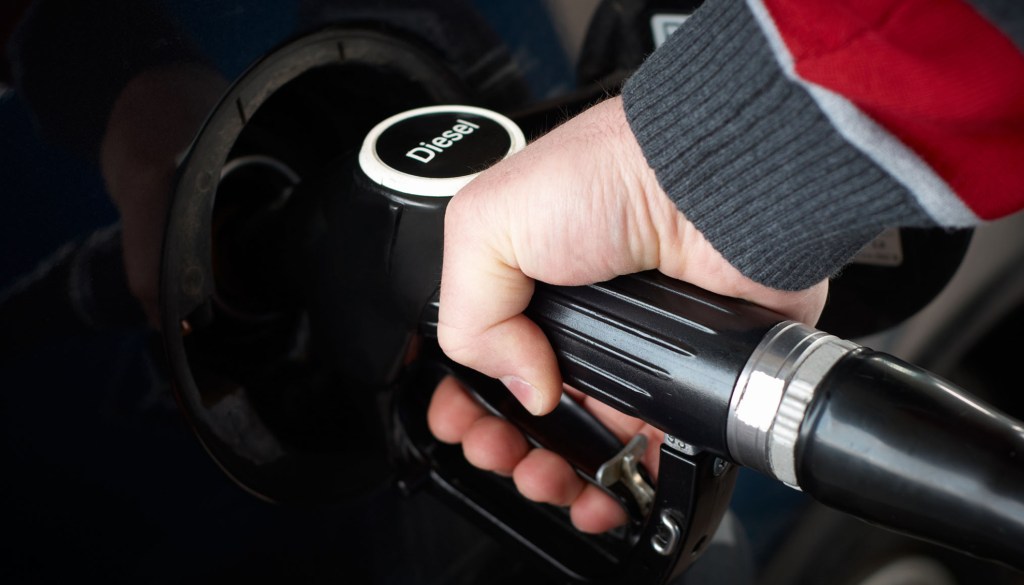
Continued Use of Petrol and Diesel:
Finally, it’s worth considering the possibility that petrol and diesel motorhomes will continue to be used after 2030. While the sale of new petrol and diesel vehicles will be banned, existing vehicles will still be allowed on the road. This means that there will still be petrol and diesel motorhomes in use, although their owners may face increased running costs.
 Vintage RV Adventures