
Insulating your van can be a great way to improve its energy efficiency, protect it from the elements and make it more comfortable to live in. But with so many different types of insulation available, it can be hard to know which one is best for your van. In this blog post, we’ll take a closer look at the types of insulation available and help you choose the best option for your van in the UK.

Spray foam insulation Spray foam insulation is a popular choice for van insulation because it offers excellent insulation properties and can be used to fill gaps and hard-to-reach areas. It also helps to reduce noise and vibrations, making for a more comfortable ride. However, it can be quite expensive, and installation requires professional equipment and training.
Spray foam insulation is a popular choice for van insulation because of it’s ability to fill gaps and hard-to-reach areas. However, there are certain climates where spray foam insulation may not be the best option for van insulation.
Spray foam insulation works by creating a sealed barrier between the inside and outside of the van. While this can be effective in colder climates, it can also cause issues in warmer, more humid climates. In areas with high humidity, spray foam insulation can trap moisture inside the van, leading to mold and mildew growth and potentially causing health problems.
Additionally, in very hot climates, spray foam insulation can trap heat inside the van, making it uncomfortable and difficult to cool down. This can put extra strain on air conditioning and other cooling systems and can lead to higher energy costs when on a site with paid electricity.

Fibreglass insulation Fibreglass insulation is a popular choice for van insulation because it is affordable and readily available. It is also easy to install and offers excellent insulation properties. However, fiberglass can be irritating to the skin and lungs, and it can be difficult to work with in confined spaces like a van.
Here are some examples of climates where fibreglass insulation may not be suitable for use in a van:
- High humidity: Fibreglass insulation is susceptible to moisture damage and can lose its insulating properties when exposed to high levels of humidity. In climates with high humidity, it may be better to use insulation materials that are more resistant to moisture, such as closed-cell foam or sheep’s wool.
- Extreme cold: While fibreglass insulation is an excellent insulator, it may not be sufficient in extremely cold climates. In areas where temperatures regularly drop below freezing, it may be necessary to use thicker or more specialised insulation materials to ensure adequate insulation.
- Extreme heat: Similarly, fiberglass insulation may not be suitable for use in extremely hot climates. In areas where temperatures regularly exceed 100 degrees Fahrenheit, fiberglass insulation may not provide sufficient heat resistance, and it may be better to use insulation materials that are more heat-resistant, such as closed-cell foam or reflective insulation.
- Coastal regions: Coastal regions are often exposed to high levels of salt air and moisture, which can cause corrosion and rust in metal components. Fiberglass insulation may not be the best choice for use in these areas, as it can absorb moisture and contribute to rust and corrosion over time.
Video example of Fibreglass Insulation used in a motorhome build;
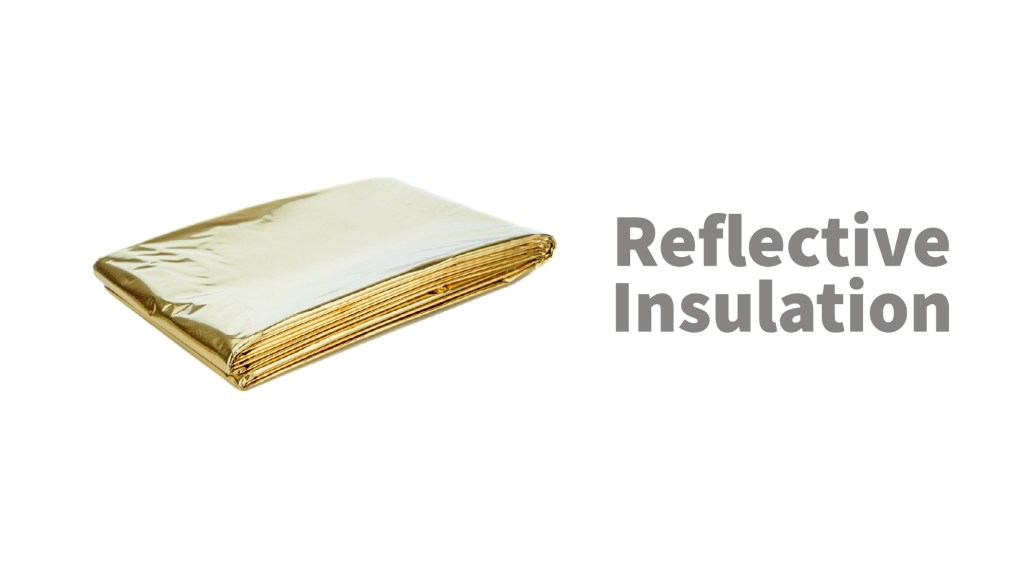
Reflective insulation Reflective insulation is another popular choice for van insulation because it is lightweight and easy to install. It works by reflecting heat back into the van, helping to keep it warm in the winter and cool in the summer. However, reflective insulation is not as effective as other types of insulation, and it may not be suitable for use in all climates.
While it can be a great choice for some climates, there are certain situations where reflective insulation might not be suitable for use in a van. Here are some examples:
- Cold and damp climates: Reflective insulation works by reflecting radiant heat, which means it is less effective in colder environments where there is less heat to reflect. Additionally, if moisture is present, the reflective surface of the insulation may become less effective due to the accumulation of condensation.
- Humid climates: In humid climates, reflective insulation may be less effective because it relies on a dry environment to reflect heat. In a humid environment, condensation can form on the surface of the reflective insulation, reducing its effectiveness.
- Extreme temperature fluctuations: Reflective insulation is best suited for environments with stable temperature conditions. If the temperature inside the van fluctuates rapidly, the reflective insulation may not be able to keep up with the changes.
- Areas with high winds: Reflective insulation is not wind-resistant and can become less effective if there is air movement in the van. Additionally, if the reflective insulation is not properly installed, it can come loose and become less effective over time.

Sheep’s wool insulation Sheep’s wool insulation is a natural and eco-friendly choice for van insulation. It is breathable, moisture-wicking and offers excellent insulation properties. It is also easy to work with and can be installed using basic DIY tools. However, it can be more expensive than other types of insulation and may require additional treatments to protect against moisture and pests.
Sheep’s wool insulation is a natural and eco-friendly insulation material that has become increasingly popular in recent years. Here are some of the benefits of using sheep’s wool insulation in your home or building:
- Excellent insulation properties: Sheep’s wool is an excellent insulator, with high thermal resistance and the ability to maintain its insulation properties over time.
- Breathable and moisture-wicking: Sheep’s wool is breathable and moisture-wicking, which means it can absorb and release moisture without losing its insulating properties. This helps to regulate humidity levels and prevent mold and mildew growth.
- Non-toxic and eco-friendly: Sheep’s wool is a natural and renewable resource, and it is free from the harmful chemicals and synthetic materials found in many traditional insulation materials.
- Easy to install: Sheep’s wool insulation is easy to handle and install, and it can be cut to size and shape with basic tools. It is also lightweight and doesn’t require any protective clothing or respirators.
- Fire-resistant: Sheep’s wool is naturally fire-resistant, which means it won’t ignite easily and can help to slow down the spread of flames in the event of a fire.
- Acoustic insulation: Sheep’s wool is also an effective acoustic insulator, reducing noise pollution and creating a more comfortable living or working environment.
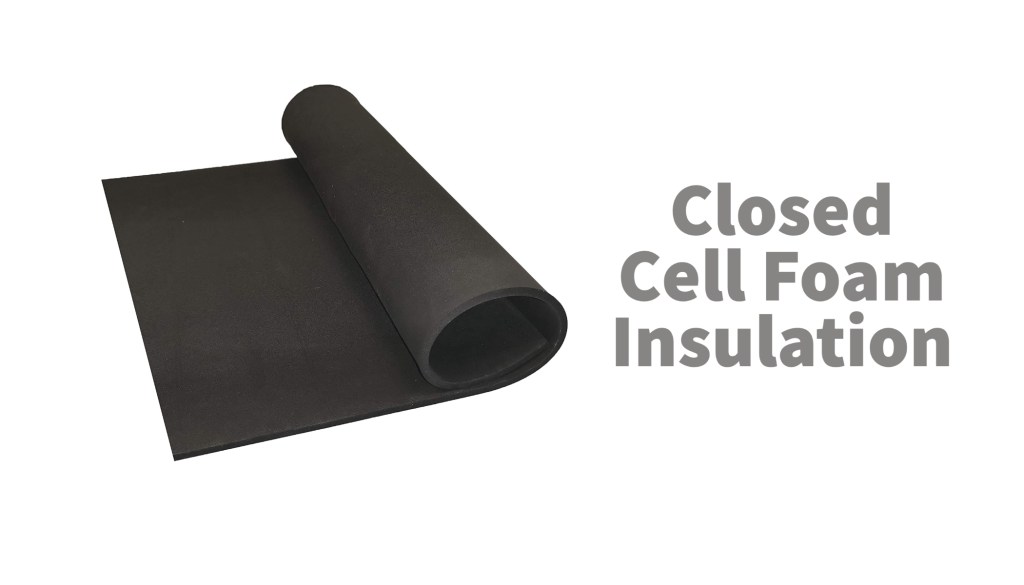
Closed-cell foam insulation Closed-cell foam insulation is a high-density foam that offers excellent insulation properties and is ideal for use in vans. It is waterproof, durable and can be used to fill gaps and hard-to-reach areas.
There are some reasons why it may not be the best choice for use in a van. Here are some of the main reasons:
- Cost: Closed-cell foam insulation is one of the most expensive types of insulation materials available, and the cost can quickly add up if you’re insulating a large van.
- Installation: Installing closed-cell foam insulation requires expertise, and it can be difficult to install in hard-to-reach areas of a van. This means that you may need to hire a professional to install the insulation, which can add to the overall cost.
- Weight: Closed-cell foam insulation is denser and heavier than many other types of insulation, which can add extra weight to your van. This can affect fuel efficiency and handling, especially if you’re using a smaller van.
- Rigid: Closed-cell foam insulation is rigid and inflexible, which means it may not be suitable for use in a van with irregular shapes or contours. It can also make it difficult to access areas of the van for repairs or modifications.
- Risk of condensation: Because closed-cell foam insulation is impermeable, it can trap moisture between the insulation and the van’s interior walls. This can lead to condensation and mold growth, which can be a health hazard and damage the interior of your van.
An example Closed-cell Foam Insulation product is shown HERE.
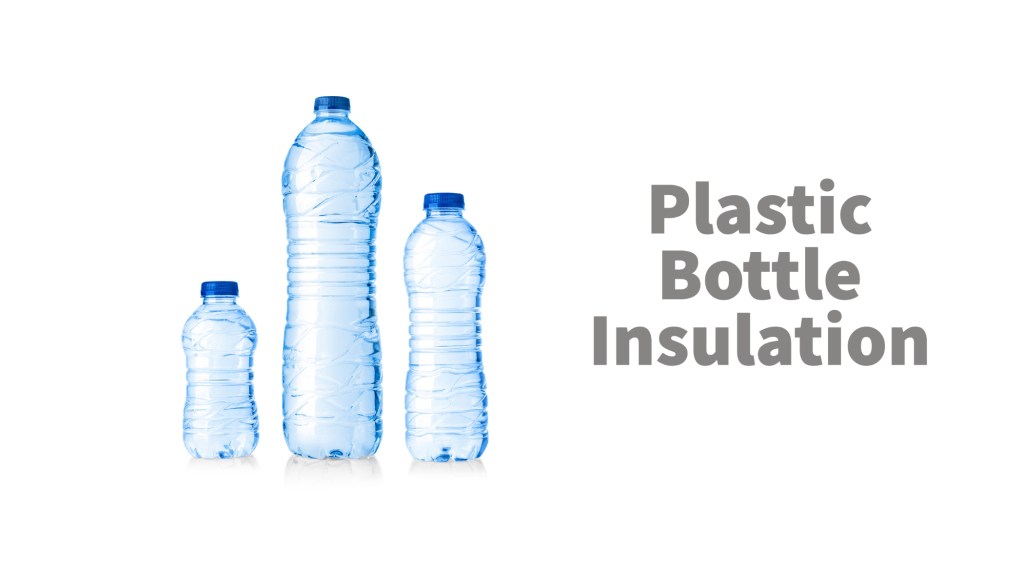
Plastic bottle insulation: This is a type of DIY insulation that involves repurposing plastic bottles to create an insulating layer. Here are some reasons why plastic bottle insulation would be a good choice for use in a van:
- Cost-effective: Plastic bottle insulation is an inexpensive option that can be made using recycled materials, making it an eco-friendly and cost-effective choice.
- Lightweight: Plastic bottle insulation is very lightweight, which makes it ideal for use in a van, where weight is a consideration.
- Easy to install: The insulation can be easily cut and placed into the walls of the van, making it an ideal choice for those who want to do the insulation themselves.
- Good insulation properties: Plastic bottle insulation has good insulation properties, which can help to keep the van warm in the winter and cool in the summer. It can also help to reduce noise levels.
- Resistant to moisture: Plastic bottle insulation is resistant to moisture, which can be important in a van where condensation can be a problem.
- Recyclable: At the end of its life, plastic bottle insulation can be easily recycled, reducing waste and helping to conserve resources.
While plastic bottle insulation can have some advantages, there are also some disadvantages to consider. Here are some of the potential drawbacks of using plastic bottles as insulation in a van:
- Fire safety: Plastic bottle insulation is made from flammable materials, which could be a safety concern in the event of a fire.
- Limited durability: Plastic bottle insulation may not be as durable as other insulation materials, and may break down over time, reducing its effectiveness as insulation.
- Aesthetics: The look of plastic bottle insulation may not be to everyone’s taste, as it can have a “patchwork” appearance.
In conclusion, choosing the right type of insulation for your van will depend on a variety of factors, including your budget, climate, and personal preferences. Consider the pros and cons of each type of insulation and consult with a professional if you’re unsure about which option is best for your van. With the right insulation, you can enjoy a more comfortable, energy-efficient van, no matter where your travels take you.
 Vintage RV Adventures