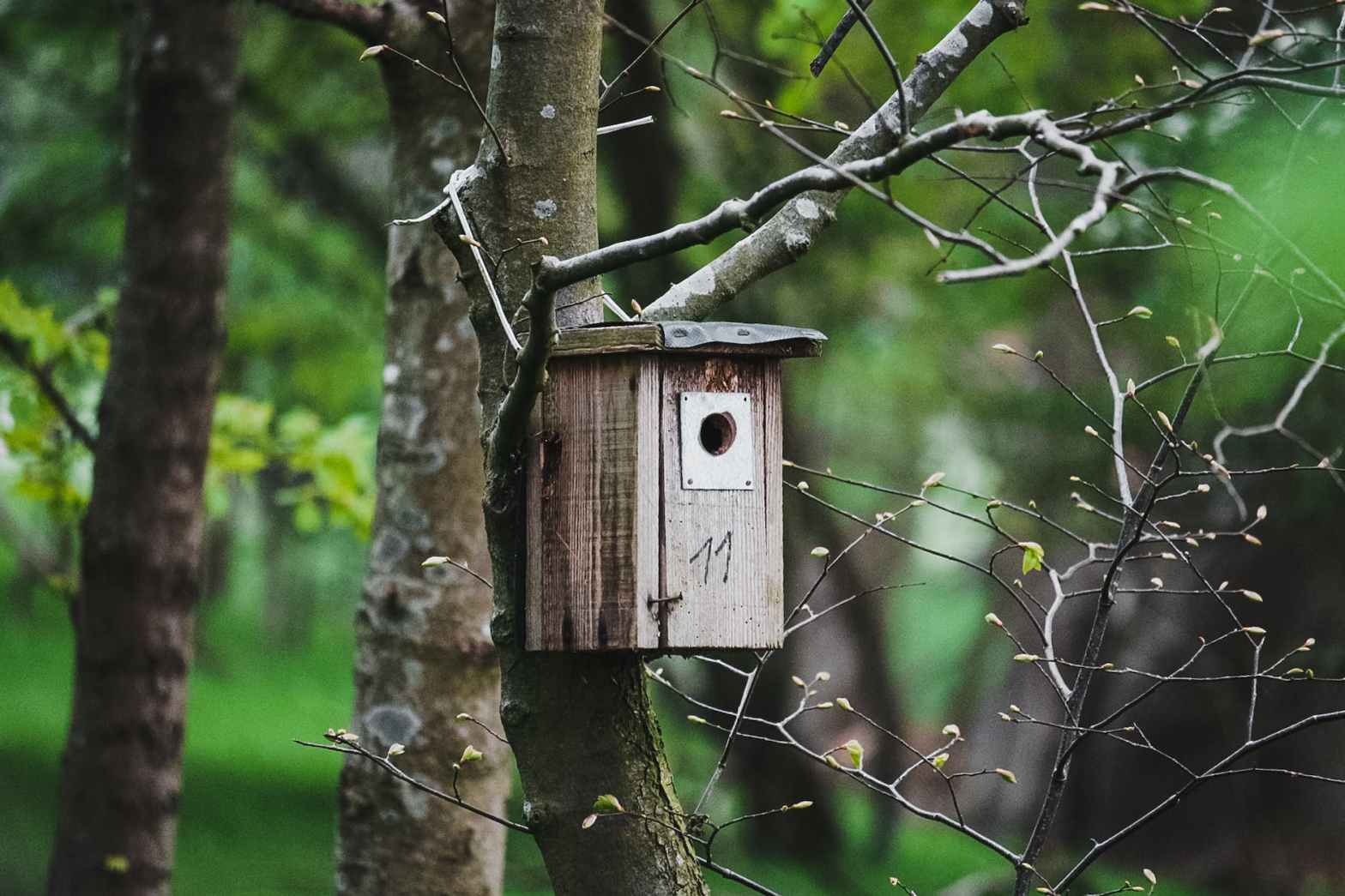
Watching wild birds in their natural habitat is a delightful experience, and it’s something you can enjoy even if you live in an urban environment. By installing a bird box on your land or in your garden, you can encourage small birds to visit, nest, and raise their young. Not only will you be able to watch their behaviour up close, but you’ll also be helping to protect these beautiful creatures.
In this article, we’ll explore the best materials to use when building a bird box, the UK breeds of birds you’re likely to attract, and the best places to install a bird box to maximise the chances of nesting success.
Materials to Use for Building a Bird Box
When building a bird box, it’s important to use the right materials to ensure the box is safe and durable. Here are some key factors to consider:
- Wood: The most popular material for bird boxes is wood, as it is readily available, easy to work with, and provides good insulation. However, not all types of wood are suitable. Avoid using treated wood or wood that has been painted or varnished, as the chemicals used can be toxic to birds. Instead, use untreated, rough-sawn timber, such as pine, spruce, or cedar.
- Screws and Nails: Use screws and nails that won’t rust or corrode, such as galvanized or stainless steel.
- Roofing Material: The roof of the bird box should be waterproof to protect the birds from the rain. Slate, tiles, or roofing felt are all good options.
- Size: The size of the box will depend on the species of bird you’re trying to attract. Different birds have different preferences when it comes to the size of the entrance hole and the dimensions of the box. We’ll explore this in more detail in the next section.

UK Breeds of Birds to Attract
The UK is home to a wide range of small birds, and different species have different preferences when it comes to nesting sites. Here are some of the most common birds you’re likely to attract to a bird box:
- Blue Tit: One of the most popular birds to attract to a bird box is the Blue Tit. These small birds are found throughout the UK and are known for their bright blue and yellow plumage. They prefer a small entrance hole of around 25mm and a box with internal dimensions of around 120mm x 120mm x 250mm.
- Great Tit: Similar in appearance to the Blue Tit, the Great Tit is slightly larger and has a black cap on its head. They prefer a slightly larger entrance hole of around 28mm and a box with internal dimensions of around 150mm x 150mm x 250mm.
- House Sparrow: A familiar sight in gardens across the UK, the House Sparrow is a small, brown bird with a distinctive black bib. They prefer a larger entrance hole of around 32mm and a box with internal dimensions of around 150mm x 150mm x 250mm.
- Robin: The Robin is one of the UK’s most beloved birds, known for its red breast and melodious song. They prefer an open-fronted box rather than a traditional box with a hole, as they like to build nests in nooks and crannies. An open-fronted box should have internal dimensions of around 150mm x 150mm x 150mm.
- Wren: The smallest bird in the UK, the Wren is a tiny brown bird with a loud and cheerful song. They prefer a small entrance hole of around 25mm and a box with internal dimensions of around 100mm x 100mm x 200mm.
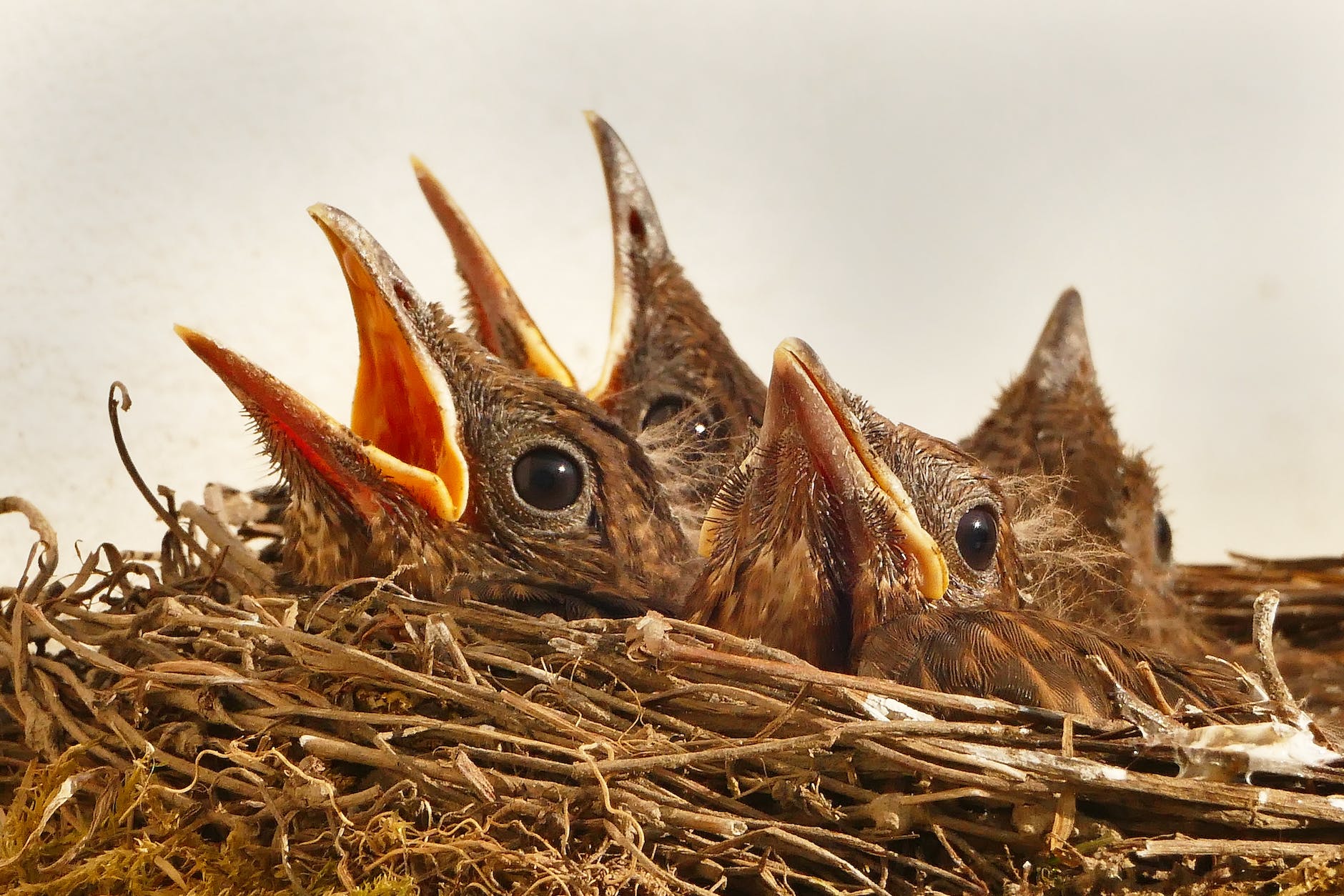
Best places to Install a Bird Box
Once you have your materials and know which species of birds you want to attract, it’s important to choose the best location to install your bird box. Here are some key factors to consider:
- Height: Most small birds prefer a box that is mounted at a height of between 1.5m and 5m. This will protect the birds from predators while still allowing them to easily access the box.
- Orientation: The entrance hole of the box should face away from prevailing winds and rain. It’s also a good idea to face the box towards a tree or shrub, as this will provide additional shelter for the birds and make it easier for them to access the box.
- Sunlight: While birds need shelter from the rain and wind, they also require some sunlight to keep warm. Aim to install your bird box in a location that gets some sunlight during the day, but is shaded from the hottest part of the day.
- Distance from Feeding and Watering Stations: If you have a bird feeder or bird bath in your garden, try to install the bird box within sight of these stations. This will encourage the birds to nest nearby and make it easier for them to access food and water.
- Protection from Predators: When choosing a location for your bird box, consider how you can protect it from predators such as cats, squirrels, and larger birds. You can install a predator guard on the entrance hole, or mount the box on a metal pole with a baffle to prevent climbing.
Conclusion
Installing a bird box in your garden is a wonderful way to attract small birds and provide them with a safe place to nest and raise their young. By using the right materials, choosing the right size and orientation for the box, and installing it in a suitable location, you can increase the chances of nesting success and enjoy the beauty of wild birds up close.
Remember to choose a location that is protected from predators, within sight of feeding and watering stations, and that provides some sunlight and shelter from the wind and rain. By following these simple tips, you’ll be able to create a welcoming environment for some of the UK’s most beloved small birds.
Buy On Amazon: https://amzn.to/439ppvU

Buy On Amazon: https://amzn.to/439ppvU
 Vintage RV Adventures