
Choosing the right type of battery is essential for a motorhome, as it powers all your electrical equipment while you’re off-grid. AGM (Absorbent Glass Mat) and Lithium batteries are two of the most popular options, each with its own set of advantages and disadvantages. In this blog article, we’ll explore the differences between AGM and Lithium batteries and help you decide which one is the best fit for your motorhome.
AGM Batteries:
AGM batteries use a type of fibreglass mat to absorb and hold the electrolyte solution, which makes them spill-proof and maintenance-free. They are also known for their ability to deliver high currents on demand and their resistance to vibrations and shocks. Here are some advantages and disadvantages of AGM batteries:
Advantages:
- Cost-effective: AGM batteries are typically cheaper than Lithium batteries, making them a more affordable option for those on a budget.
- Low self-discharge: AGM batteries have a low self-discharge rate, meaning they can hold their charge for an extended period, making them an ideal option for those who use their motorhome infrequently.
- Maintenance-free: AGM batteries don’t require any maintenance, such as checking water levels, which saves time and effort.
Disadvantages:
- Limited cycle life: AGM batteries have a limited cycle life of 400-500 cycles, meaning they won’t last as long as Lithium batteries.
- Heavy: AGM batteries are heavier than Lithium batteries, which can affect the weight distribution of your motorhome.
- Longer charging time: AGM batteries take longer to charge than Lithium batteries, which can be an issue if you need to recharge quickly.
Lithium Batteries:
Lithium batteries use advanced chemistry to store energy and deliver high power output. They are lightweight and have a longer cycle life than AGM batteries. Here are some advantages and disadvantages of Lithium batteries:
Advantages:
- Lightweight: Lithium batteries are much lighter than AGM batteries, which reduces the overall weight of your motorhome.
- High cycle life: Lithium batteries have a cycle life of 1000-5000 cycles, meaning they last longer than AGM batteries.
- Fast charging: Lithium batteries can be charged much faster than AGM batteries, which is useful if you need to recharge quickly.
Disadvantages:
- Expensive: Lithium batteries are typically more expensive than AGM batteries, making them a less affordable option.
- Complex charging requirements: Lithium batteries require a specialized charger and careful monitoring during charging to avoid damage, which can be inconvenient.
- Safety concerns: Lithium batteries can be dangerous if they’re overcharged, punctured or exposed to high temperatures. However, most modern Lithium batteries have built-in safety features to prevent these issues.
Conclusion:
Choosing between AGM and Lithium batteries comes down to your needs and budget. AGM batteries are a cost-effective and reliable option for those who use their motorhome infrequently, while Lithium batteries are ideal for those who prioritise weight and longevity. Ultimately, it’s important to do your research and choose the battery that best fits your specific needs and requirements.
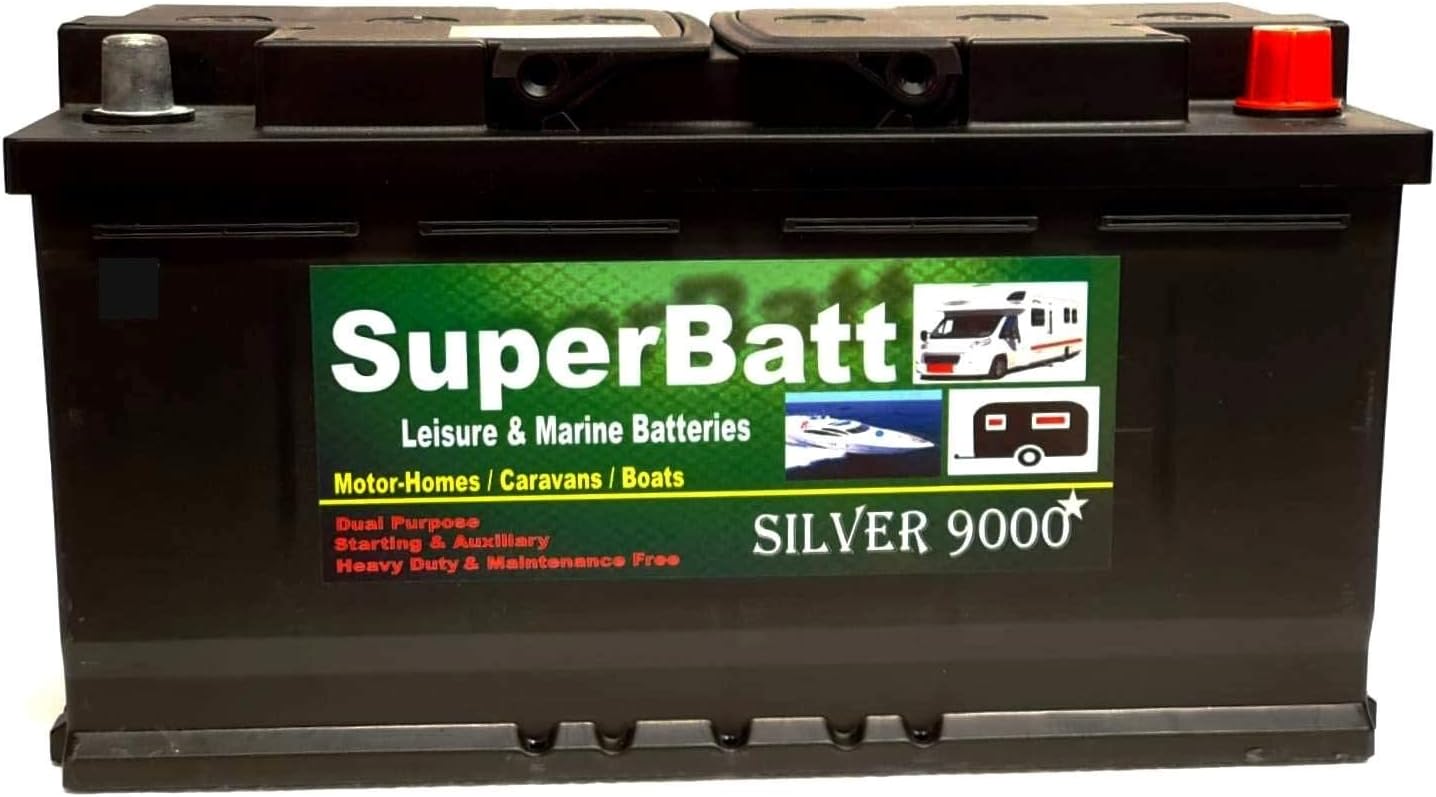
Check out AGM and Lithium batteries for sale on Amazon:
 Vintage RV Adventures