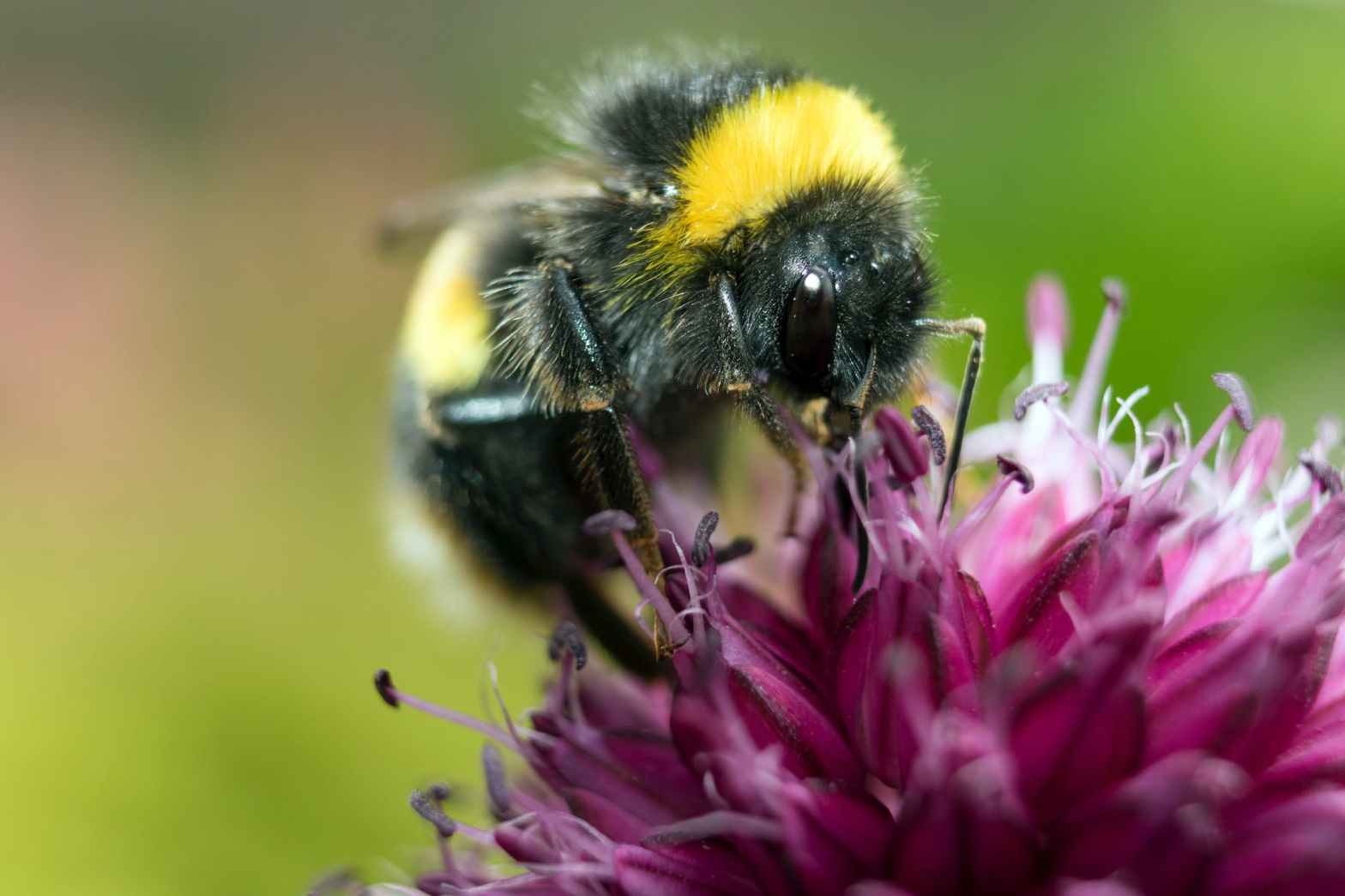
Samantha and I will very soon have tranquillity away from the hustle and bustle of town and city life. Apart from the idyllic surroundings and peaceful atmosphere, creating a wild flower garden at our countryside cottage will offer numerous benefits, especially for the local insect wildlife. Below we delve into the many advantages of planting a wild flower garden, highlighting how it can support and nurture the diverse range of animals that call the UK countryside their home.
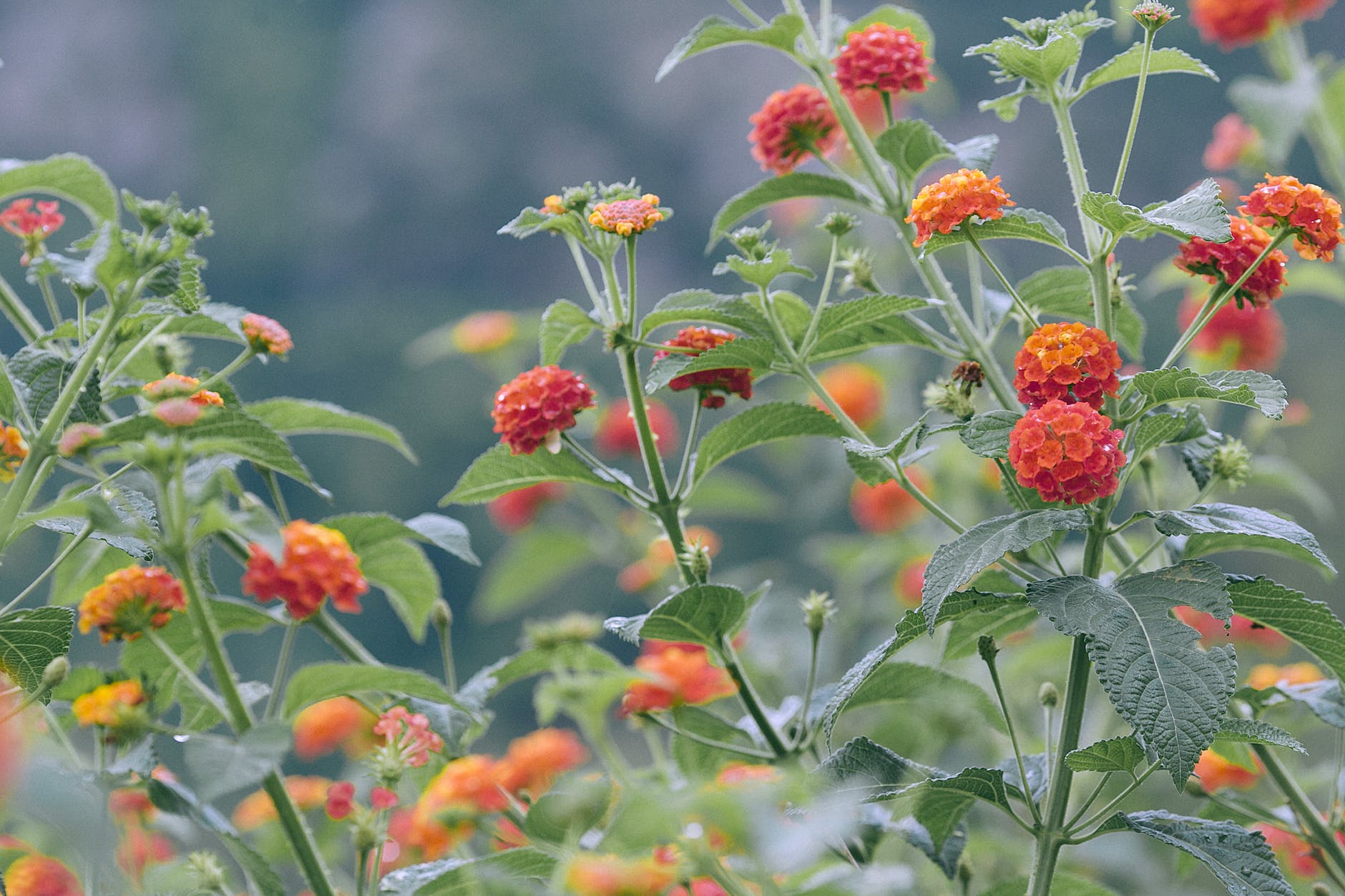
- A Haven for Pollinators: Wild flower gardens provide vital habitats for pollinators such as bees, butterflies, and moths. These insects play a crucial role in the ecosystem by pollinating flowering plants, ensuring their reproduction and the production of fruits, seeds, and new plants. By planting a diverse array of native wild flowers, you can attract and sustain a vibrant community of pollinators, contributing to the overall health of the ecosystem.
- Supporting Declining Species: The UK has witnessed a decline in many native insect species due to habitat loss and intensive agriculture. By creating a wild flower garden, we can help reverse this trend by offering a sanctuary for these species. Many rare and endangered insects rely on specific native plants for survival. Incorporating these plant species into our garden can provide essential food sources, breeding sites, and shelter, aiding in the conservation of these valuable insects.
- Enhancing Biodiversity: Wild flower gardens act as hotspots for biodiversity, supporting a range of wildlife beyond insects. Birds, small mammals, amphibians, and reptiles are attracted to the abundant food sources and shelter provided by a diverse array of wild flowers. By fostering biodiversity, our cottage garden can become an interconnected ecosystem where different species thrive, contributing to a healthier and more balanced natural environment.
- Natural Pest Control: Introducing a wild flower cottage garden can help establish a natural balance by attracting beneficial insects that act as natural pest controllers. Ladybugs, hoverflies, and lacewings are known for preying on common garden pests such as aphids and caterpillars. By encouraging these helpful predators into our garden, we can remove the need for chemical pesticides, promoting a more sustainable and environmentally friendly approach to pest control.
- Educational and Recreational Opportunities: Apart from the ecological benefits, a wild flower garden can provide numerous educational and recreational opportunities. Children and adults alike can witness the intricate web of life, observing insects and other wildlife in their natural habitats.

Planting a wild flower garden around our countryside cottage will be a meaningful step towards conserving local insect wildlife. By providing a haven for pollinators, supporting declining species, enhancing biodiversity, and facilitating natural pest control, we can contribute to the overall health and well-being of the UK countryside ecosystem. Furthermore, this vibrant and diverse garden will offer us and our visitors countless hours of joy and connection with nature, creating memories that will last a lifetime.
 Vintage RV Adventures