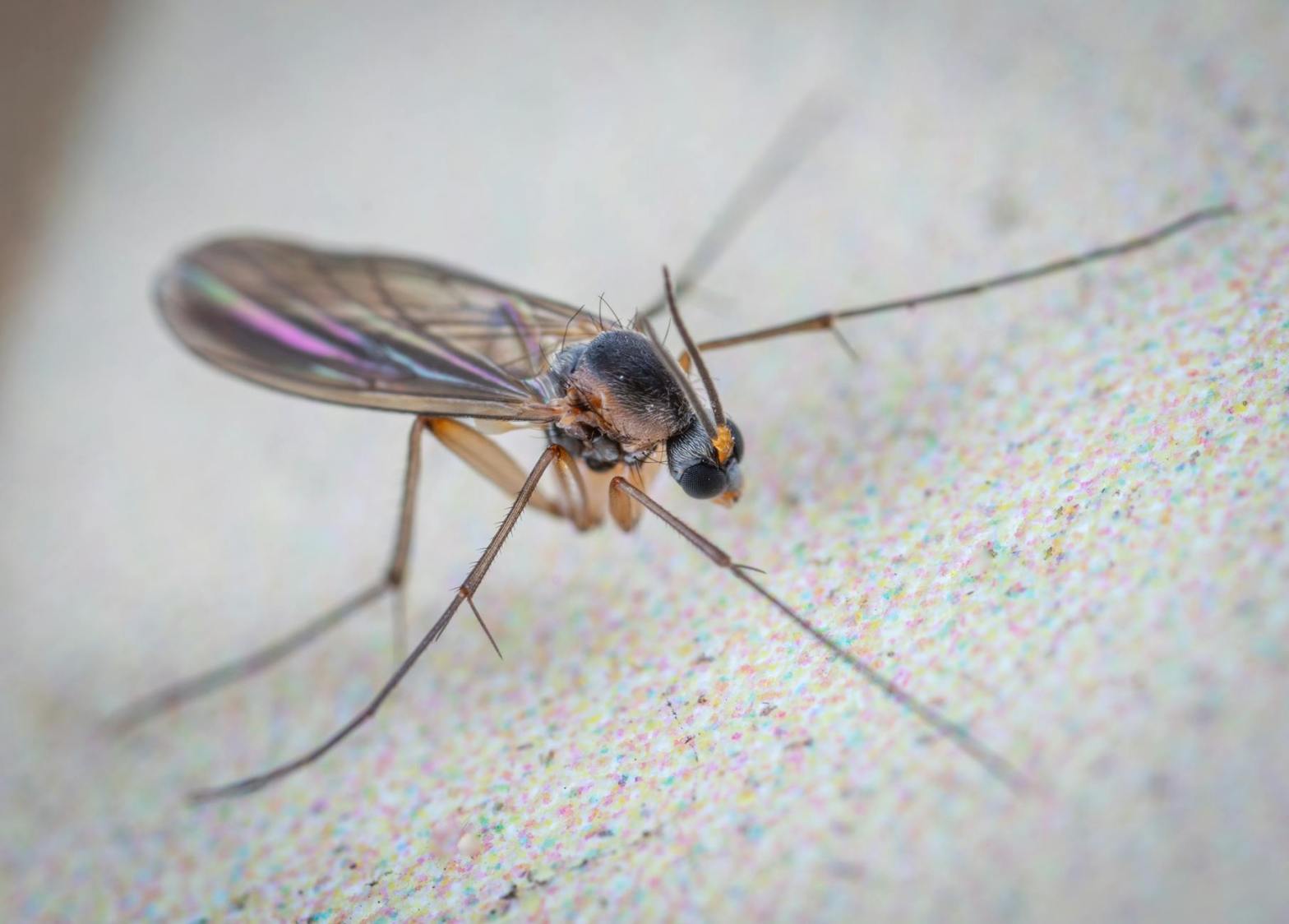
Scotland’s picturesque landscapes, with its rolling hills, lochs, and ancient castles, are a magnet for tourists and outdoor enthusiasts. However, amidst this beauty lurks a tiny, often invisible adversary: the midge. These small, biting insects can quickly turn a tranquil Scottish adventure into an itchy ordeal. Understanding how to prevent midge bites is essential for anyone planning to enjoy the outdoors in Scotland, particularly during the warmer months. In this blog post, we’ll explore practical strategies to avoid being bitten by midges and ensure your Scottish experience remains memorable for all the right reasons.

What Are Midges?
Midges are small, flying insects that belong to the Culicoides genus. They are often referred to as “no-see-ums” because of their tiny size, typically ranging from 1 to 3 millimeters. While both male and female midges exist, it’s the females that bite, as they require blood for egg production. These insects are most active during the early morning and late evening, particularly in warm, humid, and calm weather. Midges thrive in areas with standing water, such as bogs, marshes, and near lochs, making Scotland’s landscape a perfect breeding ground.
Understanding Midge Season
Midges are most active from late spring to early autumn, with the peak season typically running from May to September. During these months, midge populations can become overwhelming, especially after periods of rain, which create ideal breeding conditions. While midges can be found throughout Scotland, they are particularly notorious in the Highlands and the west coast, where the climate and terrain provide a perfect habitat.
How to Prevent Midge Bites
1. Choose the Right Time and Place:
One of the most effective ways to avoid midges is to plan your outdoor activities around their activity patterns. Midges are most active during dawn and dusk when temperatures are cooler and the air is still. If possible, avoid being outside during these times, or choose locations where a breeze is present, as midges are weak fliers and struggle in windy conditions.
2. Wear Appropriate Clothing:
Covering up is a simple yet effective way to reduce the risk of midge bites. Opt for long-sleeved shirts, long trousers, and socks to minimize exposed skin. Light-colored clothing is preferable, as it is less attractive to midges. Additionally, consider wearing a midge net or head net, especially if you’re in a heavily infested area. These fine mesh nets can be worn over a hat and offer excellent protection for your face and neck.
3. Use Midge Repellent:
Applying insect repellent is a must when venturing into midge-prone areas. Look for repellents that contain DEET, Picaridin, or other effective ingredients designed to repel biting insects. Products specifically formulated for midges are available and tend to be more effective than general insect repellents. Remember to reapply as directed, especially if you’re sweating or after swimming.
Amazon: https://amzn.to/3MiskeD

4. Create a Midge-Free Zone:
If you’re camping or spending extended periods outdoors, setting up a midge-free zone can provide relief. Use midge screens or fine mesh netting to create enclosed areas where you can relax without constant harassment. Lighting citronella candles or using midge coils can also help to keep these pests at bay. Additionally, setting up camp in breezy, open areas rather than near water or dense vegetation can reduce midge encounters.
5. Use Technology to Your Advantage:
There are several gadgets and devices designed to repel midges. Portable midge traps, which use attractants and fans to capture midges, can be effective for creating a bite-free area around your campsite. Ultrasonic devices that emit high-frequency sounds are marketed as midge deterrents, although their effectiveness can vary.
6. Stay Informed:
Before heading out, check midge forecasts online. Several websites and apps provide midge activity forecasts, which can help you plan your activities and avoid hotspots during peak times. Local knowledge can also be invaluable, so don’t hesitate to ask locals or fellow travelers about midge conditions in the area.
7. Consider Natural Remedies:
Some people prefer to use natural midge repellents, such as essential oils like citronella, eucalyptus, or lavender. While these may not be as effective as chemical repellents, they can offer some degree of protection. Applying these oils to clothing or using them in diffusers around your campsite can help reduce midge activity.
Conclusion
While midges are an inevitable part of the Scottish outdoor experience, being prepared can make a significant difference. By understanding midge behavior and employing a combination of preventative measures, you can greatly reduce your chances of being bitten. Whether you’re hiking in the Highlands, camping by a loch, or simply enjoying a scenic walk, these tips will help you enjoy Scotland’s natural beauty without the itch. Happy exploring!
 Vintage RV Adventures