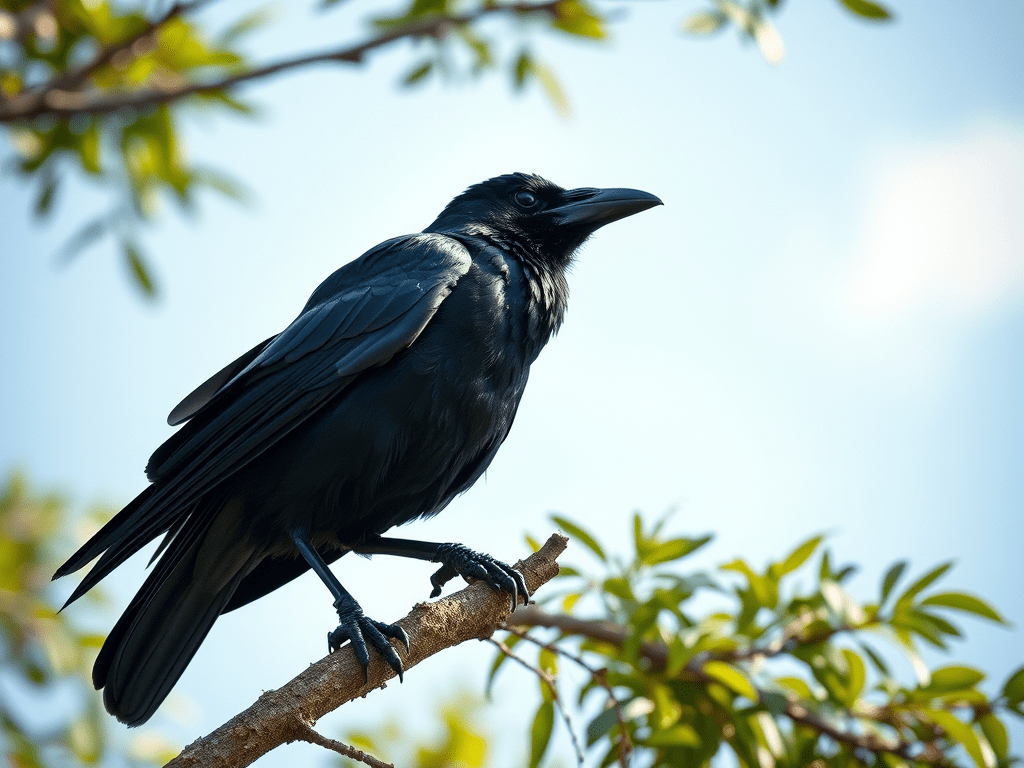
Feeding birds has long been a favourite pastime for many nature lovers. There’s something undeniably charming about offering a treat to our feathered friends and watching them flock to our gardens. Among these birds, crows often stand out due to their intelligence, social structures, and sometimes mischievous behaviour. Yet, a question that occasionally arises is: Is it illegal to feed crows in the UK? To comprehensively answer this question, we need to delve into various aspects. These include the legality of feeding crows, potential consequences, and best practices.
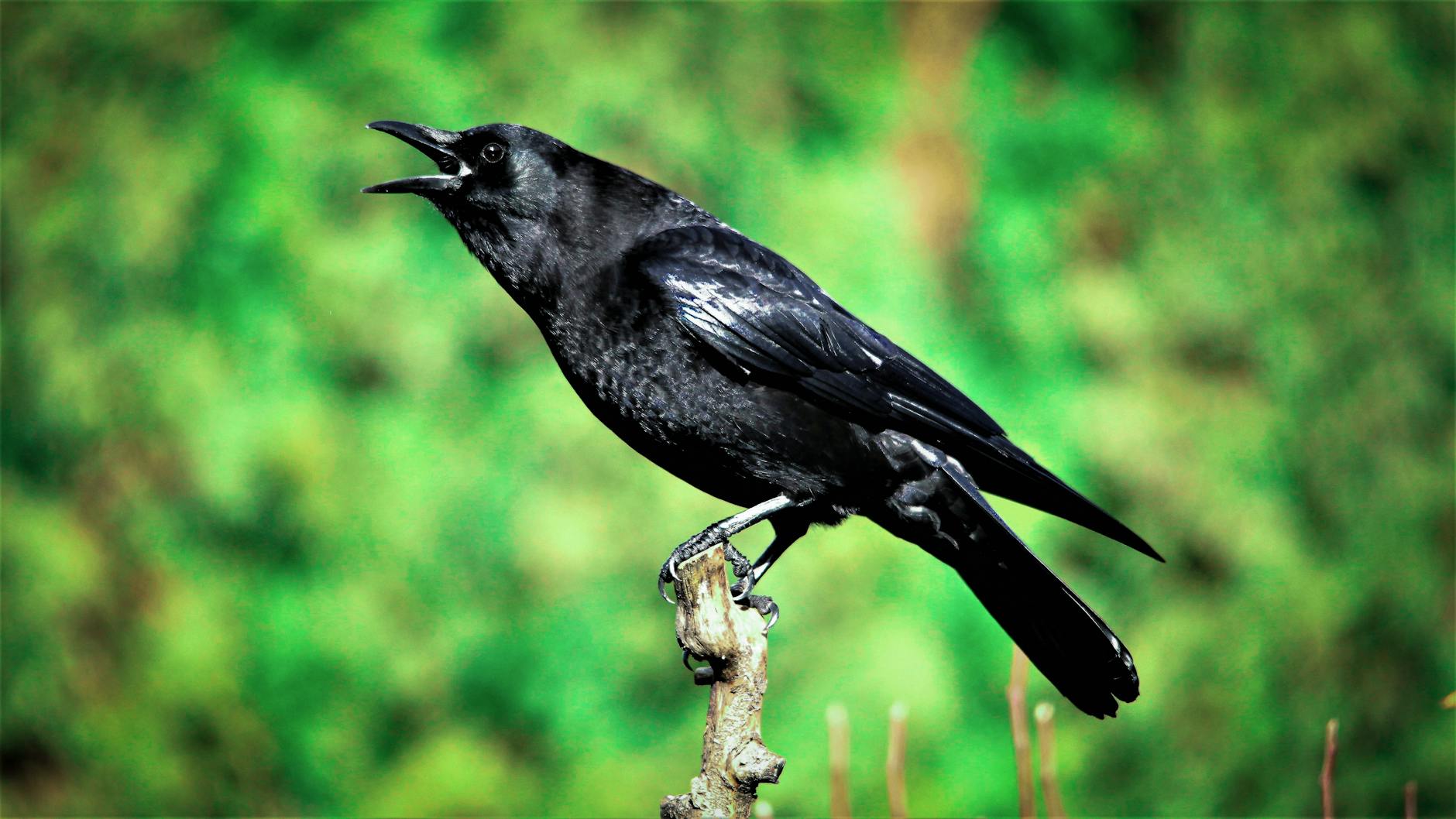
The Legal Landscape
As of now, there are no specific laws in the UK that make it illegal to feed crows. However, this does not mean that you can feed them freely without any potential consequences. The legality of feeding crows can intersect with other legal frameworks, particularly those concerning wildlife protection, nuisance laws, and property regulations.
Wildlife Protection Laws: Crows are protected under the Wildlife and Countryside Act 1981, which makes it illegal to harm or kill them, with certain exceptions. Feeding crows, in general, is not a violation of this law. However, one should be cautious not to inadvertently cause harm to the birds by offering them inappropriate food or encouraging unhealthy behaviours.
Nuisance Laws: Feeding crows can lead to unintended consequences, such as attracting large numbers of birds, which may be considered a nuisance. Excessive feeding could cause noise issues, damage to property, or even health concerns due to droppings. Local councils have the authority to intervene if bird feeding results in a statutory nuisance under the Environmental Protection Act 1990. Thus, while it’s not illegal per se to feed crows, doing so irresponsibly could lead to legal issues.
Property and Public Space Regulations: In some residential areas or public parks, there may be specific rules or bylaws regarding the feeding of birds. These regulations are typically in place to prevent overcrowding of certain species, avoid littering, or reduce the risk of pests. It’s advisable to check local regulations or notices, particularly in public spaces, to ensure compliance.
Why Feed Crows?
Crows, part of the corvid family, are known for their intelligence, problem-solving skills, and complex social behaviours. Feeding crows can be an enriching experience for those who enjoy observing wildlife. These birds can remember human faces, solve puzzles, and have even been observed using tools. Establishing a feeding routine can lead to fascinating interactions and insights into their behaviour.
Moreover, crows can play a beneficial role in the ecosystem. They help control pest populations by eating insects and small rodents. Their scavenging habits contribute to the cleanliness of the environment. They dispose of carrion and organic waste.
Potential Risks and Concerns
While feeding crows might seem harmless or even beneficial, there are several concerns that one should be aware of:
- Overpopulation: Regular feeding can attract a large number of crows to a particular area. This can lead to overpopulation, where the number of birds exceeds the local ecosystem’s capacity to support them naturally. Overcrowded bird populations can lead to competition for resources, stress, and increased aggression among the birds.
- Disruption of Natural Behaviour: Feeding can cause crows to become overly dependent on human-provided food, which might alter their natural foraging habits. This dependency can affect their health and ability to survive in the wild, especially if the feeding stops suddenly.
- Spread of Disease: Large gatherings of birds increase the risk of disease transmission. Feeding sites can become hotspots for pathogens, potentially impacting not only crows but other bird species and even pets.
- Nuisance to Neighbours: Not everyone appreciates the presence of large flocks of crows. The noise, mess, and potential damage caused by a congregation of these birds can become a source of tension among neighbours.
Responsible Bird Feeding Practices
If you decide to feed crows, it’s essential to do so responsibly to minimise any negative impacts. Here are some guidelines to follow:
- Feed in Moderation: Offer food sparingly and avoid creating a routine that could lead to dependency. A small amount of food now and then is less likely to cause overpopulation or significant behavioural changes.
- Offer Appropriate Food: Crows are omnivores, so a varied diet is best. Natural foods like unsalted nuts, seeds, and fruits are good options. Avoid offering processed foods, especially those high in salt or sugar, as these can be harmful to birds.
- Keep Feeding Areas Clean: Regularly clean up any leftover food to prevent attracting pests or spreading disease. A clean feeding area also reduces the likelihood of conflict with neighbours.
- Respect Local Wildlife: Be mindful of other animals that might be attracted to the food, including other bird species and potentially unwanted visitors like rats or foxes. Consider the broader impact of your feeding habits on the local ecosystem.
- Stay Informed: Keep up to date with any local guidelines or regulations regarding bird feeding. Being informed can help you avoid unintentional legal issues and ensure that your feeding practices are sustainable and respectful to both wildlife and the community.
Conclusion
Feeding crows in the UK is not illegal. Still, it is crucial to approach this activity with care and responsibility. Understanding the potential legal implications can make feeding these intelligent birds a positive experience for humans. Considering the ecological impact is important for wildlife. Recognizing social consequences ensures a balanced approach. Follow best practices to enjoy the fascinating presence of crows. By being mindful of the broader effects, you contribute to a balanced and healthy environment. Feeding crows, like any interaction with nature, is best enjoyed with a sense of respect. Awareness ensures that our actions help both the birds and the communities in which we live.
 Vintage RV Adventures