
When people think of Britain, the image of constant rain often springs to mind. It’s a stereotype that has persisted for generations, leading many to assume that the British Isles are perpetually soaked. However, those who come to live in Britain are often surprised by the reality of its climate. Yes, there are times when it seems like the rain will never stop, but there are also stretches of dry, even sunny, weather that challenge the nation’s rainy reputation.
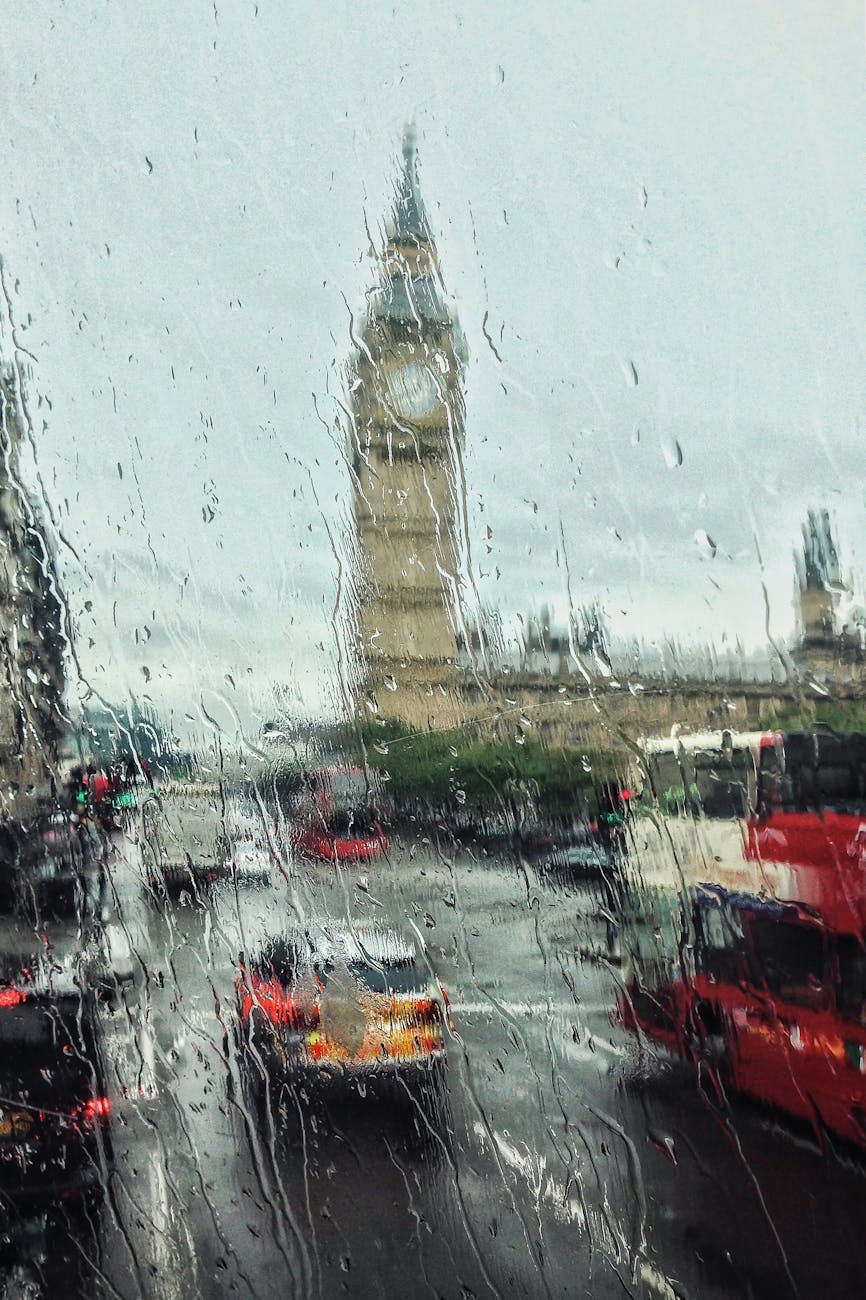
Take central and eastern Britain, for example. These regions receive an average of only 600-800mm of rain annually. To put this in perspective, that’s similar to the rainfall in Rome, Italy—a city hardly known for dismal weather. In south-east England, it’s not uncommon to experience long dry spells, sometimes lasting for one or even two months. This relative dryness, combined with a high population density, can lead to concerns about water availability. Water shortages are not unheard of, and hosepipe bans are sometimes implemented to conserve water. Wildfires can also occur, particularly during these dry periods, highlighting the variability of British weather.
On the other hand, the western side of Britain lives up to its rainy reputation. The west receives significantly more rainfall, averaging over 1,000mm annually. In some areas, such as western Scotland, north Wales, and the Lake District, the annual rainfall can exceed 3,000mm, or three meters! This makes these regions some of the wettest in Europe. Despite this, moving water from the wet west to the drier east is not a straightforward task, due to the logistics and cost involved.

Yet, the real reason behind Britain’s reputation for dreary weather might not be the rain itself but rather the lack of sunshine. Overcast skies are a common sight across the country, with completely white or pale grey skies being the norm. These cloudy conditions, while they may not lift spirits like blue skies do, have their own unique charm. For instance, the lack of harsh shadows is great for photography, providing a diffused light that captures details beautifully.
Even in Britain’s driest areas, the average sunshine duration is only about four hours per day. If that sounds gloomy, consider November 2015, the dullest month ever recorded, with just 34 hours of sunshine over the entire month. Despite this, many Brits have learned to appreciate the silver lining of these cloudy days—the clouds themselves. The ever-changing patterns in the sky have a certain beauty, and this appreciation is shared by many. The Cloud Appreciation Society, for example, is a group dedicated to celebrating the artistic and captivating nature of clouds.
Despite the rain and clouds, life in Britain doesn’t come to a halt. Rain rarely stops people from enjoying outdoor activities. Even on rainy days, you will find people walking, running, and attending open-air theater or music performances. The rain is often light, and there’s rarely any danger from lightning or extreme cold. A good waterproof coat is often all that’s needed to carry on with everyday activities, allowing people to enjoy life regardless of the weather.

For those who prefer sunnier skies, there are places in Britain that offer more sunshine. The counties of Kent and Essex in the south-east are known for having more sun than other parts of the country. If you’re looking to escape the clouds and soak up as much sun as possible, these areas are your best bet.
In conclusion, while Britain may not boast the sunniest climate, it offers a unique mix of weather that is far more varied than many might expect. Whether it’s appreciating the rain, marveling at the clouds, or enjoying the rare sunny day, there’s always something to love about British weather. So, the next time you think of Britain, don’t just picture rain—imagine the full spectrum of its diverse and fascinating climate.
 Vintage RV Adventures