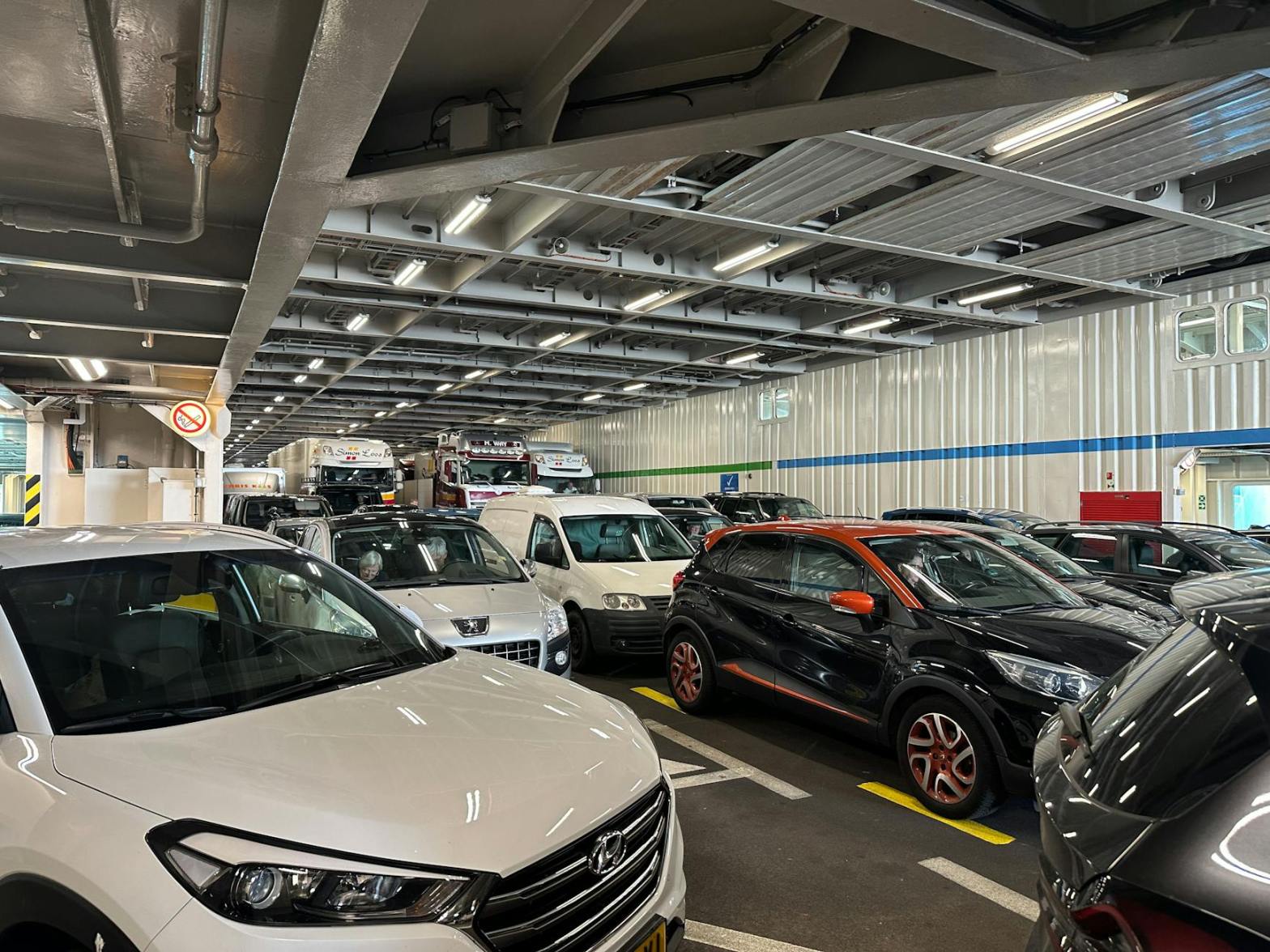
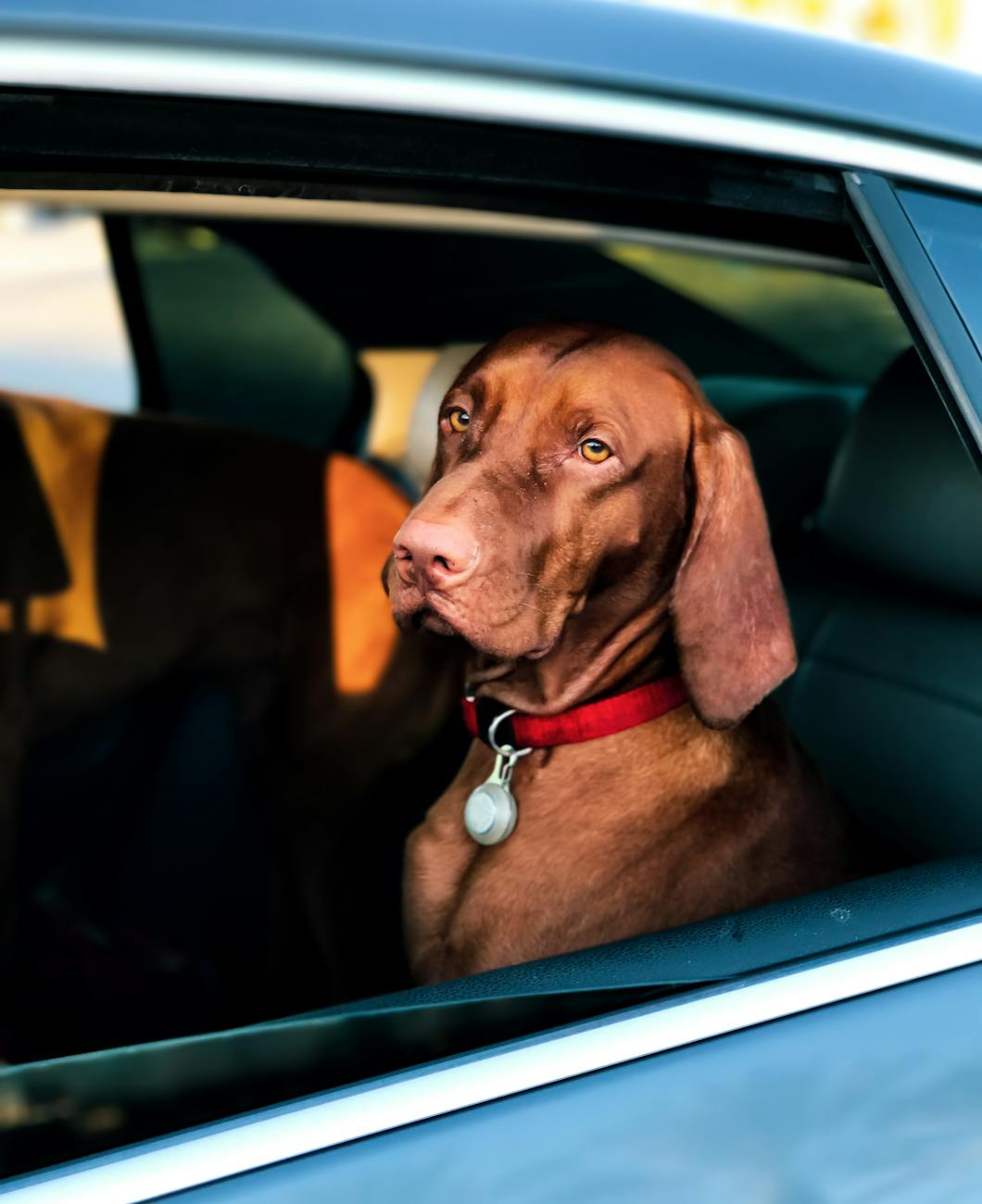
Traveling with dogs is a joyful experience for many pet owners. Whether it’s a road trip, a walk in the park, or even a ride on a car ferry, the presence of a loyal canine companion adds an extra layer of happiness to any journey. However, when it comes to traveling on car ferries, there are unique challenges that pet owners need to consider—especially concerning the well-being of their dogs. One such issue is the frequent occurrence of car alarms going off on the car deck, which can be a source of significant distress for dogs.
The Reality of Car Ferries for Dogs
Car ferries are a practical and often necessary mode of transportation, particularly for those living on islands or in areas where bridges are scarce. For many travelers, this means bringing their vehicles along, which often include their dogs. But while humans can handle the hustle and bustle of ferry rides, the experience can be overwhelming for dogs. Confined to the vehicle, the noise of the engines, the constant motion, and the unfamiliar environment can already be unsettling for many dogs.
The Car Alarm Conundrum
One of the most common and disruptive occurrences on car ferry decks is the random activation of car alarms. These alarms can be triggered by the rocking motion of the ferry, the vibrations from the engine, or even the proximity of other vehicles. For humans, the sudden blaring of a car alarm is an annoyance, but for dogs, it can be terrifying. Dogs have much more sensitive hearing than humans, and the loud, unexpected noise of a car alarm can cause them to experience fear, anxiety, and confusion.
Imagine being in a confined space with your dog, where they suddenly hear a loud, jarring noise that they don’t understand. The sound bounces off the metal walls of the car deck, amplifying the noise and making it even more disorienting. A dog that is already feeling uneasy due to the unfamiliar setting may react by barking, whining, or even attempting to escape from the car. This kind of stress can have a lasting impact on a dog, affecting its behavior long after the ferry ride is over.
Is It Worth the Stress?
The key question that dog owners need to ask themselves is: is it worth putting their pets through all this stress? While car ferries are a convenient option, they are not always the most pet-friendly. Some ferries offer pet-friendly areas or allow pets to stay with their owners in designated zones, but this is not always the case. In many situations, dogs are required to remain in the vehicle on the car deck for the entire duration of the trip.
Exploring Alternative Options
Consider other modes of travel if they are available and feasible. For example, using a pet-friendly passenger ferry where dogs can stay with their owners may be a better option. In some cases, traveling by car and using bridges or tunnels instead of ferries may be a viable alternative. Additionally, exploring air travel options with pet-friendly airlines can be a solution for long-distance journeys.
Conclusion: Prioritising the Well-Being of Your Dog
The decision to take a dog on a car ferry should not be taken lightly. While the convenience is undeniable, the potential stress and anxiety caused by car alarms and the general environment of a ferry can make the experience far from enjoyable for dogs. As responsible pet owners, it is essential to prioritise the well-being of our furry companions and consider all available travel options. By doing so, we can ensure that our dogs are not only safe but also comfortable and happy during our travels.
 Vintage RV Adventures