
As the colder months approach, you prepare for winter adventures in your motorhome or campervan. One often-overlooked but an essential part to focus on is your battery. Proper maintenance of your motorhome batteries during cold weather is crucial. Correct storage ensures they stay reliable. This helps keep them efficient and safe throughout the season.
Why Cold Weather Affects Batteries
Batteries, particularly lead-acid batteries are sensitive to extreme temperatures. Cold weather can significantly impact battery performance and longevity. As temperatures drop, the chemical reactions within the battery slow down, reducing the amount of power they can deliver. In sub-freezing conditions, this reduction can be severe. Your motorhome may struggle to start. Your appliances may not run efficiently.
Here’s why maintaining your batteries in cold weather is so important:
- Reduced Capacity: When temperatures fall below freezing, lead-acid batteries can lose up to 30% of their capacity.
- Damage from Freezing: If a battery is not charged properly, its electrolyte can freeze. When the electrolyte (the liquid inside) expands, it can damage the internal components, potentially ruining the battery.
- Increased Charging Time: Cold batteries take longer to charge. It’s important to use appropriate charging methods designed for low temperatures to avoid overcharging, which can cause damage.
Essential Cold Weather Battery Maintenance Tips
- Keep Batteries Charged: The best defense against the cold is a fully charged battery. A fully charged lead-acid battery can withstand temperatures as low as -76°F (-60°C), while a partially charged one might freeze at a mere 32°F (0°C). Check and recharge your battery frequently, especially if you are using your motorhome’s systems like heating, lights, or the fridge.
- Use a Battery Maintainer or Trickle Charger: If your motorhome is parked for long periods, consider using a battery maintainer. A trickle charger can also be used for this purpose. These devices keep the battery at an optimal charge level without overcharging it.
- Store Batteries Properly When Not in Use: If you’re not using your motorhome during the winter months, remove the batteries. Store them in a cool but not freezing location. An indoor area with temperatures between 32°F and 80°F (0°C to 27°C) is ideal. Before storage, fully charge the batteries and check the charge level monthly, recharging as necessary.
- Check for Corrosion and Clean Connections: Corrosion on battery terminals can reduce efficiency and lead to power loss. Regularly inspect the battery terminals for any buildup of dirt or corrosion. Clean the terminals with a mixture of baking soda and water, using a wire brush if necessary. Once clean, apply a thin layer of petroleum jelly to protect the terminals from future corrosion.
- Install a Battery Heater: If you frequently camp in extremely cold weather, install a battery heating pad. It can be a lifesaver. These heaters wrap around your battery and keep it at an optimal operating temperature. Ensure you choose one designed for your specific battery type and follow installation guidelines carefully.
- Monitor Water Levels in Lead-Acid Batteries: Lead-acid batteries can lose water during use, which is essential for their operation. In cold weather, it’s even more critical to check water levels regularly. Only use distilled water and be sure to fill it to the recommended level. Low water levels can cause the battery to overheat and fail.

Amazon Trickle Charger: https://amzn.to/3BBUOOg
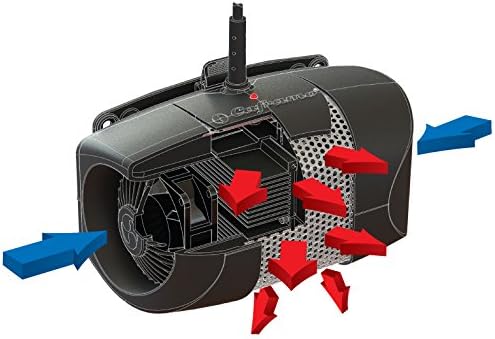
Amazon Engine Compartment Heater: https://amzn.to/407yZ3z
Signs Your Battery Might Be Failing
Even with the best maintenance practices, batteries eventually wear out. As you prepare for winter, keep an eye out for these signs that your RV battery may be nearing the end of its life:
- Struggling to hold a charge: If the battery drains quickly, it might be time for a replacement.
- Slow engine starts: If your motorhome takes longer than usual to start in cold weather, the battery may be losing its power. This delay might be a sign of a weakening battery.
- Visible damage: Cracks, leaks, or swelling are signs of physical damage, often caused by freezing.
Conclusion
Proper battery maintenance and storage during cold weather is critical. These steps guarantee your motorhome or campervan stays reliable. Keep your battery charged and protect it from extreme temperatures. Follow essential maintenance steps to avoid unexpected breakdowns. This will prolong the life of your batteries.
Safe travels, and may your adventures be electrifying—no matter how cold it gets!
 Vintage RV Adventures