
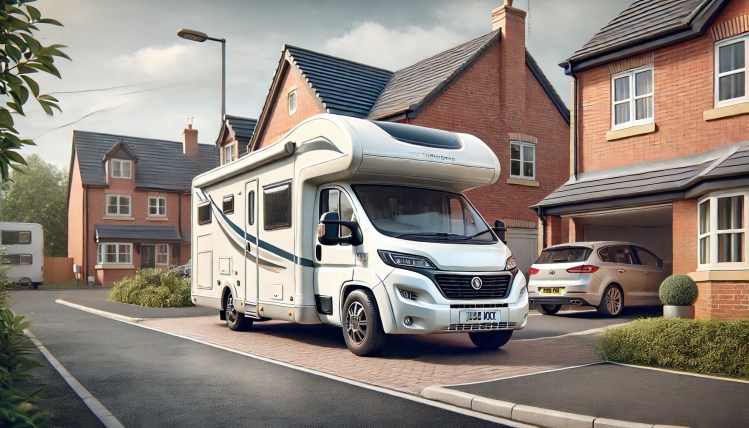
The announcement by President Donald Trump on April 2, 2025, introducing a 25% tariff on all foreign-made automobiles, is poised to significantly impact the UK’s motorhome industry. This development raises concerns about the future of UK-built motorhome exports to the United States, a key market for these vehicles.
Understanding the New Tariffs
The U.S. administration’s decision to impose a 25% tariff on imported automobiles is part of a broader strategy to protect domestic manufacturing and address trade imbalances. This move affects all foreign-made vehicles, including motorhomes, making UK exports to the U.S. more expensive and potentially less competitive.
Impact on UK Motorhome Manufacturers
The U.S. represents a significant market for UK motorhome manufacturers. With the new tariffs in place, the cost of UK-built motorhomes in the U.S. market will rise substantially, likely leading to a decrease in demand. This scenario poses several challenges:
- Reduced Export Volumes: Higher prices may deter U.S. consumers from purchasing UK-built motorhomes, leading to a decline in export volumes.
- Financial Strain: A drop in sales could result in financial difficulties for UK manufacturers, potentially affecting profitability and leading to cost-cutting measures.
- Employment Concerns: Decreased production may necessitate workforce reductions, impacting employment within the sector.
Potential Strategies for Mitigation
To navigate the challenges posed by the new tariffs, UK motorhome manufacturers might consider several strategies:
- Market Diversification: Exploring and expanding into alternative markets could help offset the loss of U.S. sales. Regions with growing demand for motorhomes, such as parts of Asia and Europe, might offer new opportunities.
- Cost Optimization: Streamlining operations and reducing production costs could help maintain competitiveness despite the tariffs. This approach might involve adopting new technologies or optimizing supply chains.
- Local Production: Establishing manufacturing facilities within the U.S. could circumvent the tariffs, allowing companies to maintain their presence in the American market. However, this strategy requires significant investment and long-term planning.
- Product Differentiation: Emphasizing unique features, superior quality, or innovative designs could justify higher prices and retain customer interest despite increased costs.
Governmental and Industry Response
The UK government has expressed concern over the new U.S. tariffs and is actively seeking to negotiate exemptions or reductions. Chancellor Rachel Reeves has been in discussions with U.S. officials to mitigate the impact on the UK automotive sector. Simultaneously, industry bodies are advocating for supportive measures to help manufacturers adapt to the changing trade landscape.
The imposition of a 25% tariff on UK-built motorhomes entering the U.S. market presents significant challenges for manufacturers. By adopting adaptive strategies and seeking governmental support, the industry can work towards mitigating the adverse effects and exploring new avenues for growth. Continuous monitoring of the situation and proactive measures will be essential to navigate this complex trade environment.
 Vintage RV Adventures