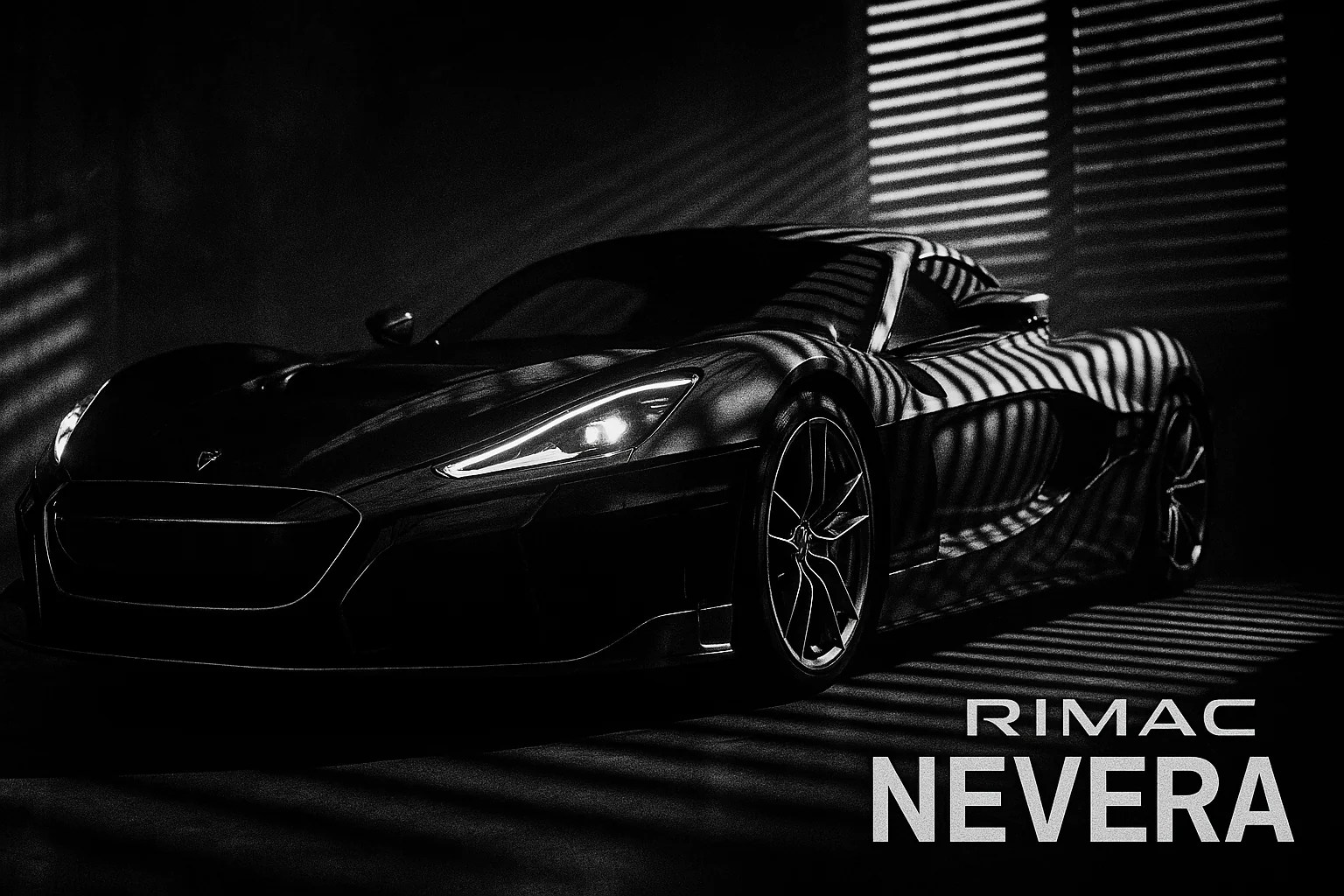
The Rimac Nevera is not just another electric vehicle; it’s a paradigm shift in automotive engineering. With its staggering 1,914 horsepower and a suite of cutting-edge technologies, the Nevera redefines what electric hypercars can achieve.
Unprecedented Performance
At the heart of the Nevera lies a powertrain that delivers acceleration figures previously thought unattainable for electric vehicles. It sprints from 0 to 60 mph in just 1.85 seconds and reaches 100 mph in 4.3 seconds, culminating in a top speed of 258 mph. This performance is facilitated by four independent electric motors, one for each wheel, managed by Rimac’s proprietary All-Wheel Torque Vectoring system, which adjusts torque distribution over 100 times per second for optimal control and agility.
Engineering Excellence
Rimac’s commitment to innovation is evident in the Nevera’s construction. The vehicle features a carbon-fiber monocoque chassis integrated with a structural battery pack and rear carbon subframe, ensuring exceptional rigidity and low weight. Its aerodynamic design, including active elements like the front bonnet profile, underbody flap, rear diffuser, and rear wing, provides optimal downforce and stability at high speeds.
In-House Innovation
Unlike many manufacturers, Rimac develops and produces nearly every component of the Nevera in-house. From the battery system and inverters to the gearbox and motor control systems, this vertical integration allows for meticulous quality control and seamless integration of components. Additionally, Rimac offers extensive customization options, enabling each of the 150 Nevera units to reflect its owner’s personal style and preferences.
A New Benchmark for Electric Vehicles
The Rimac Nevera stands as a testament to what is possible when innovation meets dedication. It challenges preconceived notions about electric vehicles, proving that they can surpass traditional supercars in performance, design, and desirability. As the automotive world watches, the Nevera sets a new benchmark, signaling a thrilling future for electric mobility.
 Vintage RV Adventures