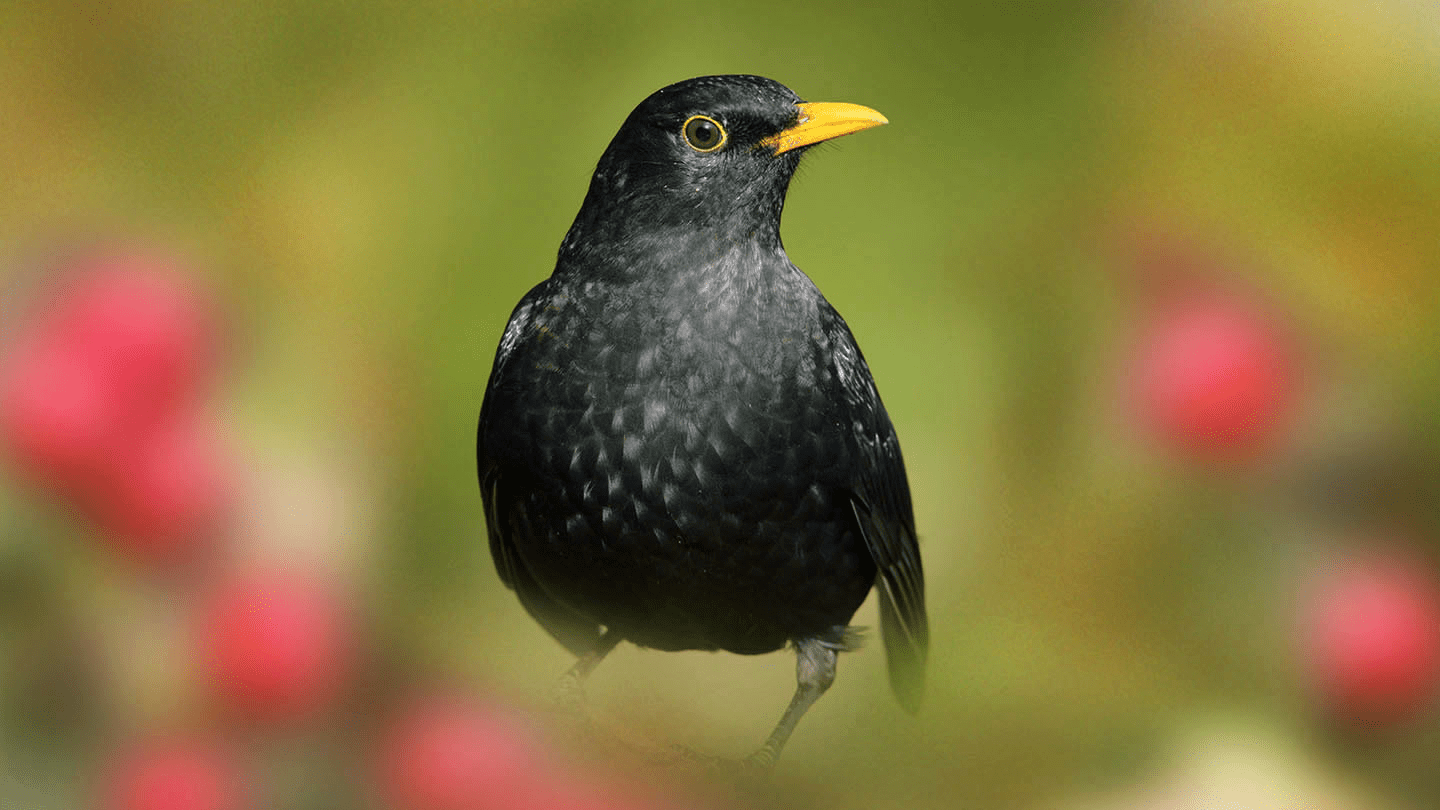
Blackbirds, cherished for their melodic songs and frequent presence in UK gardens, are facing a significant threat from the Usutu virus, a mosquito-borne disease that has led to notable declines in their populations, particularly in southern England.
The Rise of the Usutu Virus
First identified in South Africa, the Usutu virus made its UK debut in London during the summer of 2020. Since then, it has spread westward, reaching areas like Dorset, and has been linked to a 40% decline in blackbird numbers in Greater London since 2018. Regions such as East Anglia and the southeast have also experienced declines of approximately 10%, with the virus continuing its progression into the southwest .
The virus is transmitted by mosquitoes, and its spread has been exacerbated by climate change, which creates favourable conditions for mosquito survival and virus transmission .
Monitoring and Research Efforts
In response to these alarming trends, the British Trust for Ornithology (BTO) has initiated the “Blackbirds in Gardens” project. This citizen science initiative aims to gather data on blackbird populations, their breeding success, and how they utilize garden spaces. The project is part of the broader Vector-Borne RADAR program, which seeks to understand and mitigate the impacts of mosquito-borne diseases on wildlife .
The survey encourages participants to observe blackbirds in their gardens, noting behaviours and any signs of illness or mortality. This data is crucial for identifying patterns of decline and potential correlations with the spread of the Usutu virus.
How Gardeners Can Make a Difference
Gardeners play a vital role in supporting blackbird populations and curbing the spread of the Usutu virus. Here are some actionable steps:
- Cover Water Butts: Mosquitoes often breed in stagnant water. Ensuring water butts are covered can reduce mosquito breeding grounds.
- Maintain Wildlife-Friendly Gardens: Incorporate native plants, shrubs, and trees to provide shelter and food sources for blackbirds.
- Retain Garden Ponds: Contrary to initial concerns, ponds have not been identified as significant mosquito breeding sites and can support diverse wildlife.
- Report Dead Birds: If you find deceased blackbirds, report them to relevant wildlife health monitoring organisations to aid in tracking the virus’s spread.
Looking Ahead
While the Usutu virus poses a serious threat to blackbird populations, collective efforts in monitoring and creating supportive habitats can make a significant difference. By participating in initiatives like the BTO’s survey and adopting wildlife-friendly gardening practices, individuals can contribute to the conservation of these beloved songbirds.
 Vintage RV Adventures