
The Best Bird Nest Boxes to Buy for Spring in the UK — And Where to Put Them in Your Garden
As spring approaches, gardens across the UK begin to stir with life — flowers bloom, bees buzz, and birds start searching for the perfect place to raise their young. If you’re a nature lover or a keen gardener, now is the ideal time to think about adding bird nest boxes to your outdoor space. Not only do nest boxes help birds find safe places to breed, but they also bring a touch of charm and natural activity to your garden.
In this post, we’ll explore the different types of bird nest boxes available in the UK and guide you on how and where to install them for the best results this spring.
Why Bird Nest Boxes Matter
Birds face growing challenges in the wild, from habitat loss to climate change and predation. Natural nesting sites such as old trees, hedgerows, and crevices in buildings are becoming harder to find. Nest boxes can help bridge that gap, providing essential shelter for breeding birds.
Installing nest boxes also brings wonderful benefits for gardeners. Birds like blue tits, robins, and wrens help control pests such as caterpillars, aphids, and slugs. Plus, watching birds raise their chicks is a rewarding experience for adults and children alike.
Choosing the Right Nest Box for Different Bird Species
Not all birds use the same type of nesting site. Some prefer enclosed spaces, while others like open-fronted nests. Here are some common types of bird boxes and the species they attract:
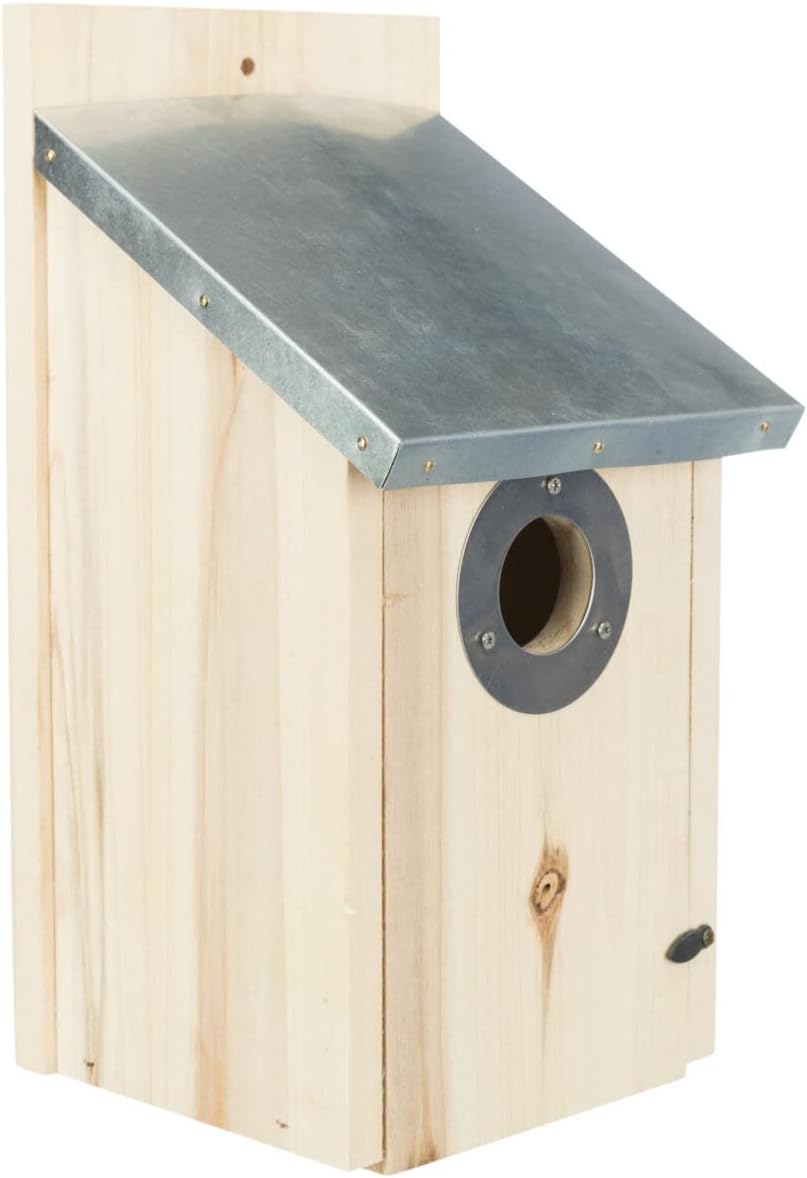
1. Small Hole Nest Boxes
These boxes feature a small circular entrance hole and are ideal for cavity-nesting birds. The size of the hole determines which species will use it:
- 25mm hole – Perfect for blue tits, coal tits, and marsh tits.
- 28mm hole – Suitable for great tits, tree sparrows, and nuthatches.
- 32mm hole – A good all-rounder that can also attract house sparrows and pied flycatchers.
Amazon: https://amzn.to/4jH2Hmt

Top tip: For sparrows, install several boxes close together to mimic their natural habit of nesting in colonies.
2. Open-Fronted Nest Boxes
These boxes have a completely or partially open front and are preferred by birds that build cup-shaped nests.
Species attracted:
- Robins
- Wrens
- Pied wagtails
- Spotted flycatchers
Amazon: https://amzn.to/3GrfdIb
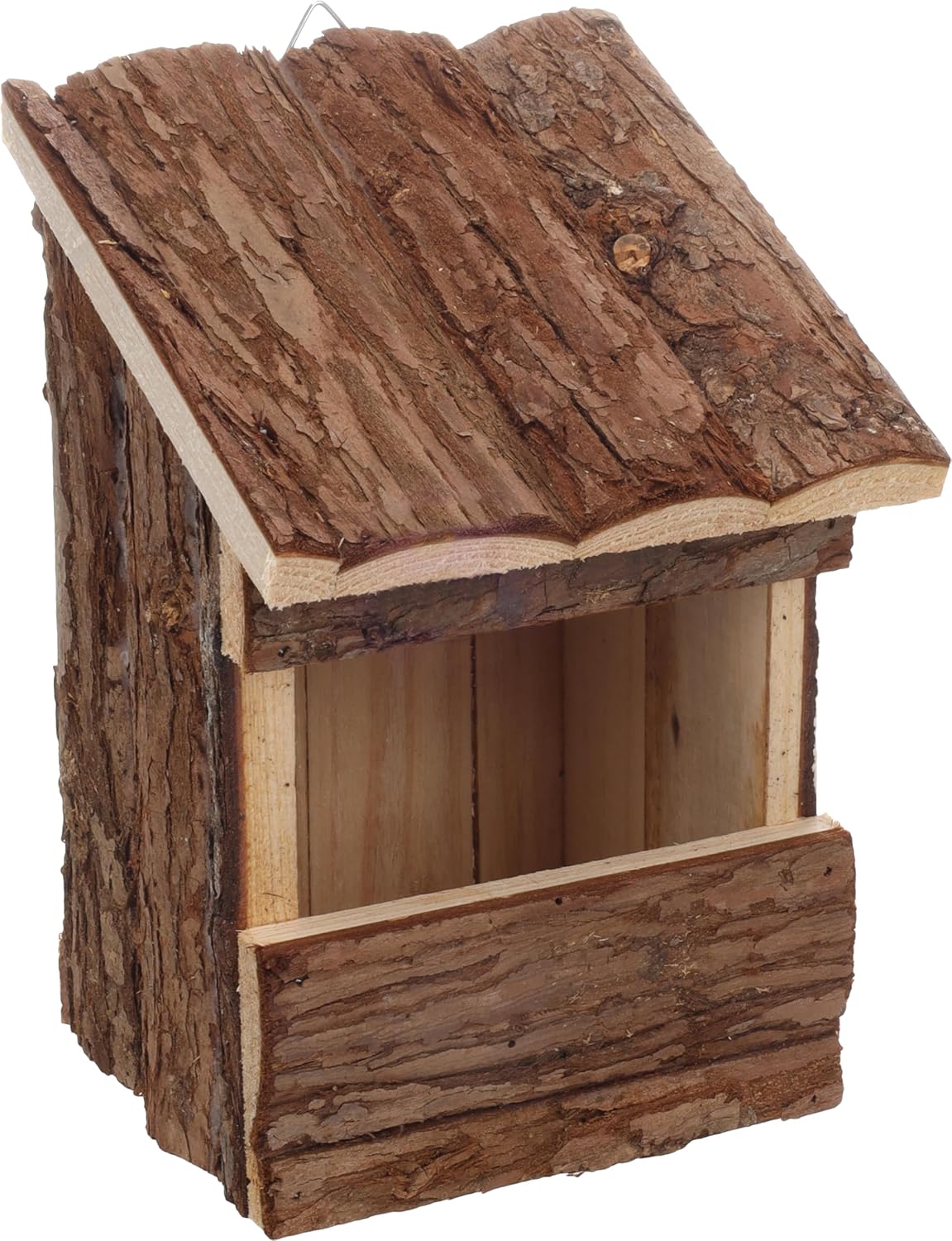
Position these boxes carefully, as open fronts make them more vulnerable to predators.
3. Sparrow Terraces
Sparrow numbers have been in decline in the UK, partly due to a lack of suitable nesting sites. A sparrow terrace is a large box with three compartments, designed to replicate the communal nesting habits of house sparrows.
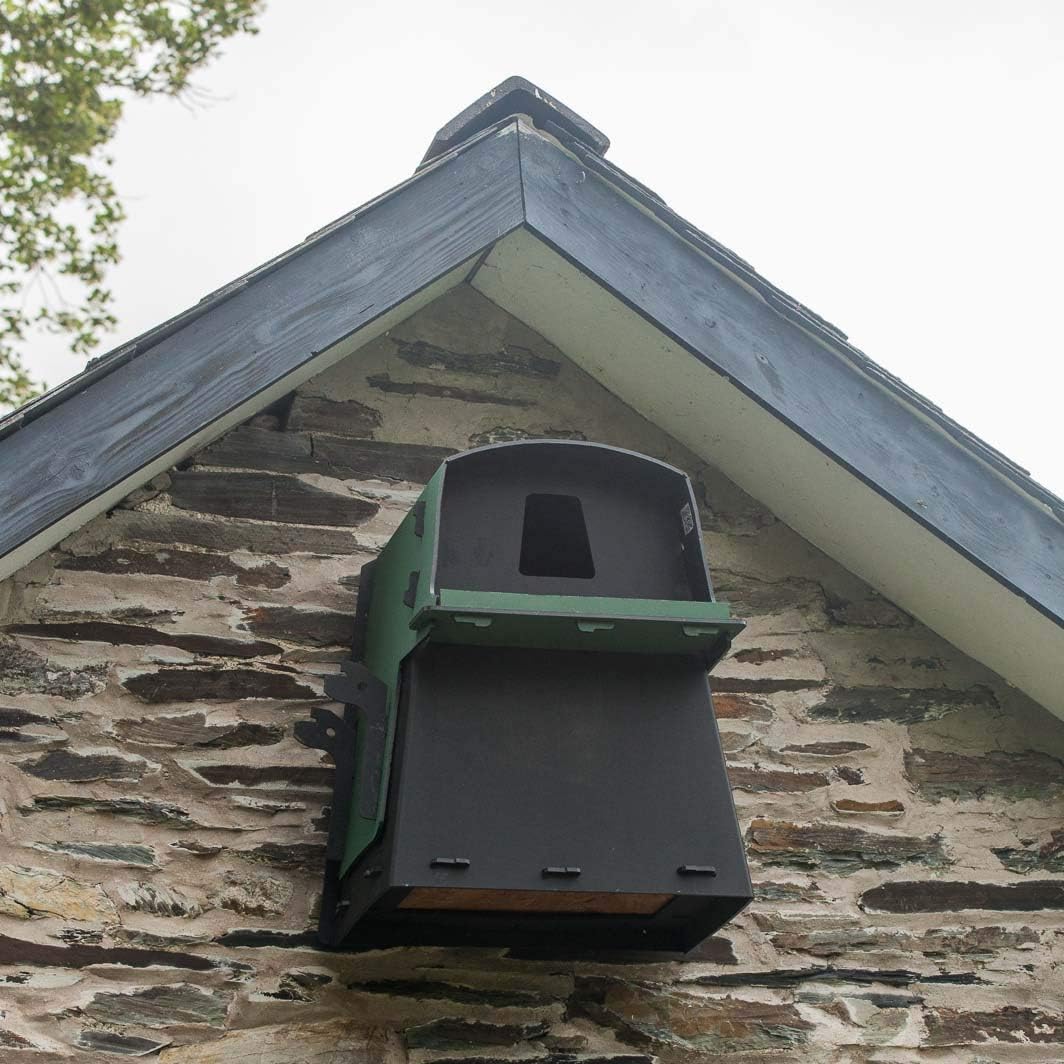
4. Swift Boxes
Swifts nest in high-up crevices and are in desperate need of more nesting sites. Swift boxes should be placed under eaves, at least 5 metres off the ground, with a clear flight path.
5. Starling Boxes
Often overlooked, starlings are delightful birds that also benefit from nest boxes. They require a larger hole — about 45mm — and a more spacious box. Mount these high up, under eaves or on trees.
Amazon: https://amzn.to/42lrFC8
6. Owl and Kestrel Boxes
If you have a large rural garden or land near fields and woodland, consider boxes for barn owls, tawny owls, or kestrels. These need to be sturdily built and securely fixed in quiet, undisturbed areas.
Amazon: https://amzn.to/43REfdn
Best Places to Locate Bird Nest Boxes in Your Garden
Placement is key to whether birds will actually use your nest boxes. Here’s how to get it right:
1. Height and Position
- Small hole boxes: Mount between 1–3 metres high on a tree, fence, or wall. A north-east to east-facing direction is ideal to avoid strong sun and driving rain.
- Open-fronted boxes: Position lower (about 1–2 metres) and hide in vegetation like ivy or a dense shrub to give protection.
- Sparrow and starling boxes: Place under the eaves of your house or shed, ideally in small groups for sparrows.
- Swift boxes: High on buildings (at least 5 metres), with no obstacles in the flight path.
- Owl boxes: Install high in a tree or on a barn wall, facing away from prevailing winds and in a quiet location.
2. Avoiding Predators and Disturbance
- Choose quiet, sheltered spots away from busy paths, patios, or play areas.
- Avoid placing boxes near feeders — too much activity can deter nesting.
- Use baffles or metal entrance plates if cats or squirrels are an issue.
3. Consider Sunlight and Weather
Boxes should be protected from the worst of the weather. Avoid placing them in full sun or exposed west-facing positions, which can overheat. Light shade is usually best.
When to Put Up Nest Boxes
The best time to install nest boxes is late winter to early spring, before the breeding season kicks off (typically from March onwards). However, boxes installed later can still be used, and many birds will inspect potential nesting sites well in advance — sometimes months before they move in.
Some birds even roost in nest boxes during winter for warmth, so it’s worth leaving them up year-round.
Maintenance and Cleaning
After the breeding season (usually September to October), clean out the boxes to remove old nesting material and parasites. Wear gloves and rinse with boiling water. Don’t use insecticides or cleaning chemicals.
Inspect your boxes for wear and tear — a damaged box won’t be used and could pose a risk to young birds.
Final Thoughts: Creating a Bird-Friendly Garden
Adding nest boxes is one of the easiest and most effective ways to support wildlife in your garden. But why stop there? You can create an even more bird-friendly space by:
- Planting native shrubs and trees for food and cover.
- Providing fresh water in a bird bath.
- Offering high-quality bird food year-round.
- Avoiding pesticides and slug pellets.
Every little action helps. And by the time spring arrives in full bloom, you’ll have a front-row seat to one of nature’s most heart-warming events, the arrival of a new generation of garden birds.
Have you put up a nest box in your garden? Which birds have moved in? Share your experiences in the comments below!
 Vintage RV Adventures