
What the law on dogs in motorhomes says. In the UK, while there isn’t a specific law mandating how dogs must be transported in motorhomes, Rule 57 of the Highway Code provides clear guidance:
“When in a vehicle, make sure dogs or other animals are suitably restrained so they cannot distract you while you are driving or injure you, or themselves, if you stop quickly.”
This rule suggests using a seat belt harness, pet carrier, dog cage, or dog guard to restrain animals in vehicles .
While the Highway Code itself isn’t law, failing to adhere to its guidelines can be considered in court proceedings. If an unrestrained dog causes or contributes to an accident, you could face charges such as careless or dangerous driving, leading to fines, penalty points, or even a driving ban .
Best Practices for Traveling with Dogs in Motorhomes:
- Use Appropriate Restraints: Employ crash-tested harnesses, secured crates, or pet carriers to keep your dog safe during travel.
- Avoid the Front Passenger Seat: Placing dogs in the front seat can be distracting and dangerous, especially if airbags are present .
- Ensure Ventilation: Maintain good airflow within the motorhome to keep your dog comfortable.
- Regular Breaks: Plan for frequent stops to allow your dog to stretch, hydrate, and relieve themselves.
- Never Leave Dogs Unattended: Especially in warm weather, temperatures inside vehicles can rise rapidly, posing a risk to your pet’s health .
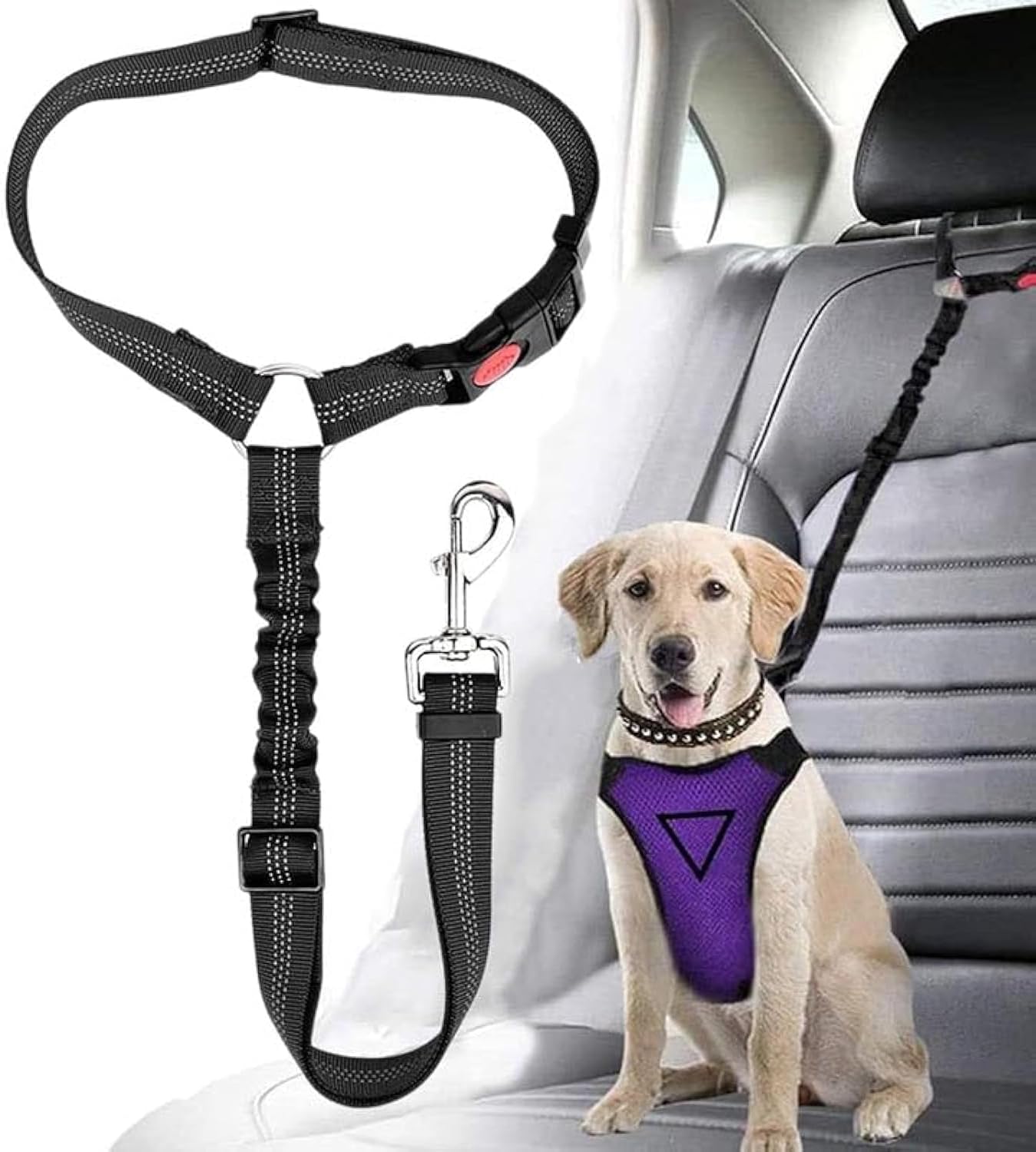
Below is an extra long adjustable dog lead for a motorhome or campervan. Chew proof and elasticated. give your dog enough mobility to comfortably sit down, stand or lie down for the journey while providing the safety required and does not distract the driver:
Amazon: https://amzn.to/3Ei3FGP

By following these guidelines, you can ensure a safe and enjoyable journey for both you and your canine companion.
Amazon: https://amzn.to/42k2Je6
 Vintage RV Adventures